

Understanding Muscle Soreness
Muscle soreness, commonly known in the fitness community as delayed onset muscle soreness (DOMS), is a natural response that occurs after engaging in intense exercise, particularly activities that the body is not accustomed to. The underlying mechanism of DOMS involves micro-tears in muscle fibers during workouts, especially those that incorporate eccentric movements, which are often associated with building muscle strength and endurance. These micro-tears lead to an inflammatory response as the body begins the process of repairing the damaged tissues, which is crucial for muscle recovery and growth.
Another contributing factor to the sensation of soreness is the accumulation of lactic acid during exercise. While lactic acid itself does not directly cause DOMS, it plays a role in the acute muscle soreness experienced during and immediately after a workout. The burning sensation felt during an intense session is typically resolved shortly after cessation. In contrast, DOMS manifests one to two days after exercise, indicating a different physiological process that is key in the muscle recovery cycle.
Understanding the distinction between acute soreness and delayed soreness is essential for anyone engaged in regular fitness activities. Acute soreness tends to diminish rapidly, while DOMS is characterized by a more prolonged discomfort that can influence subsequent workout performance. Acknowledging both types of soreness enables individuals to strategize effectively during their fitness recovery period. Implementing appropriate rest and recovery techniques can alleviate the discomfort associated with DOMS, helping individuals to continue their workout regimen without prolonged interruptions. Overall, recognizing the complexities of muscle soreness assists in optimizing fitness achievements, promoting both muscle growth and efficient recovery.
Muscle Growth and Recovery Process
Muscle growth, or hypertrophy, occurs primarily during the recovery phase following intense workouts. When individuals engage in resistance training, microscopic tears occur within muscle fibers, leading to what is commonly referred to as workout pain or delayed onset muscle soreness (DOMS). The body’s response to these micro-injuries is essential for muscle recovery and growth.
The recovery process is heavily reliant on a series of biological mechanisms, with protein synthesis being a crucial factor. After exercise, the body ramps up the synthesis of proteins to repair damaged muscle tissue. This process involves the activation of specialized cells known as satellite cells, which aid in muscle repair and contribute to muscle growth by donating nuclei to the damaged fibers, increasing their capacity for hypertrophy. Adequate nutrition plays a vital role in this process. Consuming sufficient protein post-workout provides the necessary building blocks for muscle repair, enhancing muscle recovery and supporting subsequent fitness recovery efforts.
Hormonal influences, particularly the roles of testosterone, growth hormone, and insulin-like growth factor, are also significant in the muscle growth process. These hormones facilitate muscle protein synthesis and promote satellite cell activity, further emphasizing the importance of managing hormonal levels through proper nutrition and training regimens.
Effective muscle recovery is essential; it must be prioritized to ensure continued progress in achieving fitness goals. In addition to nutrition, other factors such as hydration, sleep, and stress management contribute to the overall muscle recovery process. By focusing on these elements, individuals can reduce the impact of delayed onset muscle soreness while maximizing muscle growth. Overall, understanding the interplay between workout pain, recovery strategies, and biological processes is critical for those seeking to build muscle effectively and safely. In conclusion, a balanced approach that integrates proper recovery, nutrition, and weight training will lead to optimal muscle growth and fitness outcomes.
The Role of Soreness in Training Programs
Delayed onset muscle soreness (DOMS) is often perceived as a badge of honor in the fitness community, signaling the effectiveness of a workout session. However, it is essential to recognize that soreness is not always a reliable indicator of workout effectiveness or muscle growth. While experiencing muscle pain after a strenuous workout can suggest that muscles have undergone stress, it does not necessarily correlate with long-term gains in fitness recovery or muscle development.

Muscle soreness occurs when the muscles experience micro-tears due to unfamiliar or intense activity. This physiological response can lead to adaptation and, therefore, muscle growth as the body repairs itself. Nevertheless, it is crucial to understand that soreness should not be a primary goal for individuals focusing on fitness recovery. Different workout regimens can yield satisfactory results without inducing significant pain. For instance, strength training programs that prioritize progressive overload, vary intensity, and use proper techniques can foster muscle growth without consistently causing soreness.
To maximize workout effectiveness, fitness programs should be intelligently designed to incorporate a spectrum of training intensities. This means integrating both high and low-intensity workouts while allowing sufficient recovery time for muscle repair. Gradually increasing load and modifying training frequency can stimulate muscle growth while managing the incidence of workout pain. Furthermore, including active recovery techniques, such as light cardio and stretching, can help mitigate soreness and promote faster muscle recovery.
In conclusion, while delayed onset muscle soreness can sometimes accompany productive training, it is not an essential element for building muscle or enhancing performance. By embracing a balanced approach to training and recovery, individuals can achieve their fitness goals efficiently, irrespective of soreness levels that may arise from their workout routines.
Mitigating Soreness While Maximizing Gains
Muscle soreness, often referred to as delayed onset muscle soreness (DOMS), can be a common experience for fitness enthusiasts following intense workout sessions. However, effectively managing this soreness is crucial for optimizing fitness recovery and maximizing muscle growth. To mitigate workout pain while still pursuing training goals, one can adopt several strategic approaches.
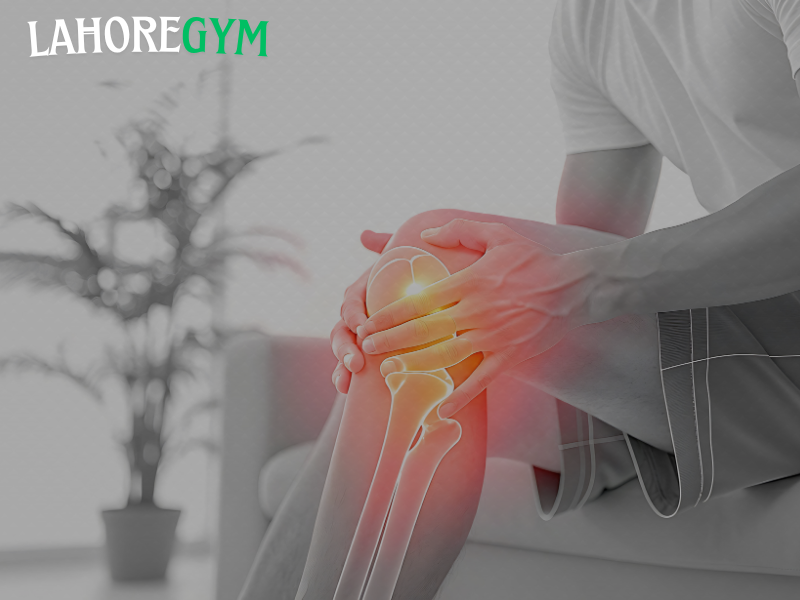
Firstly, implementing proper warm-up and cool-down routines is essential. A thorough warm-up prepares your muscles for the stress of exercise, increasing blood flow and flexibility, while a cool-down helps to gradually lower heart rate and aid in muscle recovery. Engaging in dynamic stretches and light cardio during warm-ups can significantly reduce the risk of experiencing severe soreness post-workout.
Nutritional support also plays a pivotal role in managing muscle soreness. Hydration is fundamental, as it aids in nutrient delivery and muscle function. Alongside proper hydration, ensuring an adequate intake of protein can support muscle repair and growth. Consuming high-quality protein sources within a post-workout meal can accelerate muscle recovery, minimizing the impact of DOMS on subsequent workouts.
Recovery techniques such as stretching, foam rolling, and active recovery practices should not be overlooked. Gentle stretching can improve flexibility and circulation, while foam rolling helps to release muscle knots and promote blood flow to sore areas, aiding recovery. Active recovery, which involves low-intensity exercises on rest days, can also facilitate circulation and reduce muscle soreness.
Finally, it is crucial to discern when to push through soreness and when to rest. Listening to your body is key; mild discomfort is normal, but sharp pain may indicate potential injury. Balancing training intensity with adequate recovery ensures continued progress in building muscle while effectively managing delayed onset muscle soreness. Adopting these strategies facilitates both performance and recovery, fostering a more sustainable fitness journey.