

Understanding Cardio and Its Role in Fat Loss
Cardiovascular exercise, commonly referred to as cardio, encompasses a variety of activities that elevate the heart rate and enhance overall cardiovascular health. Engaging in consistent cardio workouts is well-regarded for its effectiveness in weight loss training, primarily due to its ability to increase energy expenditure. The science behind these workouts reveals that while performing aerobic activities, the body relies on both glycogen and fat stores for energy, ultimately leading to significant calorie burning, which is crucial for fat-loss goals.
During the process of a workout for weight loss, particularly those designed as high-intensity interval training (HIIT) or traditional running workouts, the heart rate accelerates, promoting improved oxygen circulation within the muscles. This enhanced blood flow not only optimizes metabolic activities but also strengthens the heart, rendering the body more efficient at utilizing fats as fuel during both exertion and rest. This efficiency is a pivotal aspect of a successful fat-burning routine, as boosting one’s metabolism is fundamental to achieving a caloric deficit—the state necessary for fat loss.
However, it is crucial to note that cardio alone may not yield desired results without incorporating a healthy diet. While workouts can burn fat fast, achieving an effective weight loss strategy requires balancing energy intake and expenditure. Fitness tips often emphasize this relationship, indicating that combining regular aerobic exercise with nutritious dietary choices can maximize fat-loss potential. Ultimately, a comprehensive approach that integrates both cardio and proper nutrition serves as the best fat-burning workouts strategy, as it helps maintain a sustainable caloric deficit and supports long-term health objectives.
Top Cardio Workouts for Effective Fat Burning
When it comes to shedding excess weight and achieving a healthier physique, incorporating a structured workout for weight loss is essential. Cardiovascular exercises stand out as some of the best fat-burning workouts, effectively promoting fat loss and enhancing overall fitness levels. Here, we will explore various exercises including running, cycling, swimming, and high-intensity interval training (HIIT) that can aid in your weight loss journey.
**Running Workouts:** One of the most straightforward and effective fat-burning routines is running. Beginners may start with a consistent 20 to 30 minutes of moderate-paced running, gradually increasing the duration and intensity. Intermediate to advanced runners can incorporate tempo runs or interval sprints, which add periods of high intensity followed by recovery, maximizing calorie burn and building endurance.
**Cycling:** Whether on a stationary bike or cycling outdoors, this low-impact workout is excellent for burning fat. A typical cycling workout can last between 30 to 60 minutes, varying intensity levels throughout. Incorporating hills or interval training can further enhance fat-burning, making it an engaging and dynamic workout.
**Swimming:** A full-body workout that not only boosts cardiovascular health but also helps in losing weight. Swimming at a moderate pace for 30 to 45 minutes can significantly contribute to your fat loss goals. Additionally, the resistance of water provides a unique challenge that elevates calorie expenditure.
**HIIT Cardio:** High-intensity interval training is recognized as one of the most efficient fat-burning routines available. In a typical HIIT session, participants alternate between short bursts of intense exercise and brief rest periods. For optimal results, consider dedicating 20 to 30 minutes, three times a week to HIIT workouts, ensuring the inclusion of various exercises such as burpees, jumping jacks, or cycling sprints.
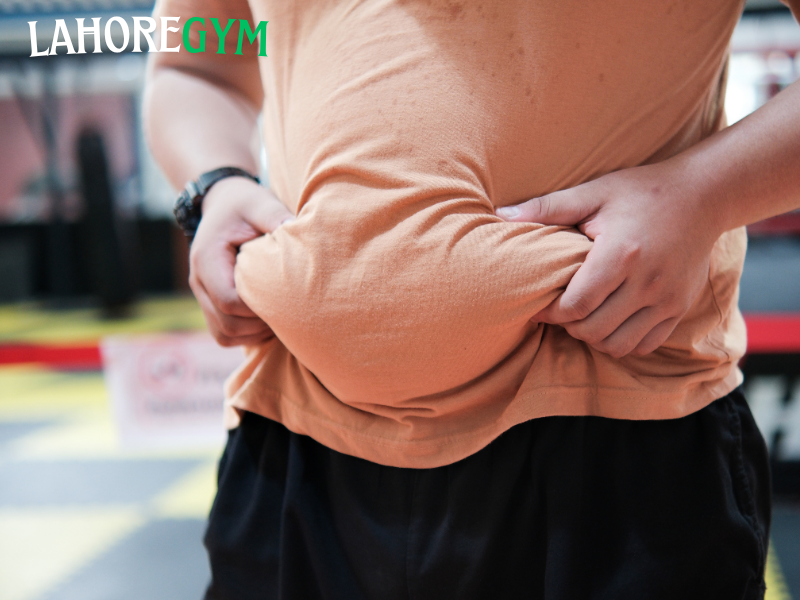
Incorporating these workouts into a weekly routine can enhance your weight loss training efforts significantly. Aim for at least 150 minutes of moderate aerobic activity or 75 minutes of vigorous activity each week, alongside strength training for balanced fitness. By diversifying your workouts and making them enjoyable, you will not only burn fat fast but also maintain motivation on your fitness journey.
Creating a Balanced Cardio Routine
Designing an effective cardio routine that promotes fat loss requires a thoughtful approach, taking into account individual fitness levels and personal goals. The foundation of any successful workout for weight loss is to establish a plan that balances frequency, duration, and types of cardiovascular activities. Ideally, one should aim to engage in cardio workouts at least three to five times a week, depending on fitness levels and how quickly one wants to burn fat fast.
The duration of each session can vary, but a common recommendation is to aim for at least 30 minutes of moderate-intensity exercise. For those engaged in high-intensity interval training (HIIT cardio), sessions may be shorter, around 20 to 25 minutes, but still effective at promoting fat loss due to the elevated heart rate and calorie burn. Including a mix of low-intensity steady-state cardio with intense bursts of activity enhances the fat-burning routine. Activities such as brisk walking, cycling, or swimming can be paired with running workouts or HIIT to create an adaptive training effect that keeps the body challenged and engaged.
Integrating recovery days into the cardio routine is crucial, as it aids in muscle recovery and prevents burnout and injury. On these active rest days, engaging in lighter activities such as yoga or stretching can provide significant benefits without overexerting efforts. Cross-training is another effective strategy that diversifies the workout for weight loss and enhances overall fitness. Alternating between different forms of cardio not only helps in targeting various muscle groups but can also maintain interest in the training regimen.
By carefully selecting a balanced combination of cardio activities, varying intensities, and allowing time for recovery, one can create the best fat-burning workouts tailored to their weight loss goals while promoting overall well-being.
Tracking Progress and Staying Motivated
Tracking progress is a crucial aspect of any workout for weight loss, especially when engaging in fat-burning routines that include running workouts and HIIT cardio. By monitoring your efforts, you can gain insights into what works best for your body and make necessary adjustments to maximize results. Utilize fitness apps that offer features such as workout logs, calorie tracking, and progress photos. These digital tools not only keep you accountable but can also provide valuable data that highlights improvements in endurance and performance over time.
Another effective method for tracking your fitness journey is a heart rate monitor. This device helps you understand your workout intensity, ensuring that you are maintaining a pace that effectively supports your weight loss goals. By maintaining your heart rate within targeted zones during your workouts, you can optimize fat-burning efforts and make informed decisions about your training regime.
Alongside tracking, staying motivated is essential for achieving lasting results in your weight loss training. Setting realistic, achievable goals can foster a sense of accomplishment and encourage persistence. Break your overarching objectives into smaller milestones, celebrating each achievement along the way. This practice can boost morale and reinforce your commitment to maintaining robust workout routines, including the best fat-burning workouts.

Additionally, consider finding a workout partner or joining a fitness community. Having someone to share your goals and challenges with can enhance accountability and make your training sessions more enjoyable. Furthermore, it can help overcome common obstacles such as plateaus and diminishing interest. Together with your partner or group, you can share fitness tips, motivate each other, and keep the experience fresh and engaging.
In conclusion, effectively tracking your progress and remaining motivated are cornerstone strategies in your journey towards sustained fat loss. Embrace the available tools and resources to enhance your experience and success in your workout for weight loss.
My Personal Journey with Cardio and Fat Loss
When I first started taking cardio seriously, I was convinced that running longer and harder every day was the key to losing fat fast. I’d see people drenched in sweat at the gym, and I thought that was what progress looked like. So, I pushed myself—five, sometimes six sessions a week—mostly running, sometimes cycling, rarely resting. For the first few weeks, I did notice small changes: my stamina improved, I felt lighter, and my mood was better. But then something strange happened. My weight stopped dropping. I felt constantly tired, my knees started aching, and I began to dread my workouts. It was confusing—how could I be working so hard and not seeing results?
That was when I realized I was training hard, not smart. I was burning myself out. My body was craving balance, not punishment. I remember one morning, standing on the treadmill, completely out of energy, asking myself, “What am I doing wrong?” That question changed everything. I started researching and talking to people who looked fit but also seemed genuinely healthy—not just lean, but strong, relaxed, and consistent. One trainer told me something that stuck: “Cardio isn’t about how much you can endure; it’s about how well you recover and adapt.”
I began changing my approach. Instead of endless, exhausting runs, I started mixing steady-state cardio with shorter, more focused HIIT sessions. Three days a week, I’d do 20 minutes of HIIT—burpees, sprint intervals, jump squats—followed by light stretching or yoga the next day. I also started paying attention to my diet. Before, I’d eat less thinking it would speed up fat loss, but I learned that under-eating was hurting my recovery. Once I began fueling my body with the right foods—lean protein, complex carbs, and enough healthy fats—I noticed a huge difference. My energy was stable, and I could actually look forward to my workouts again.
What surprised me most was how much rest and recovery played into fat loss. On rest days, I’d take slow walks or do gentle cycling, and I began to see progress again. My body composition started changing—not just the number on the scale. I could feel the difference in my clothes, in how I moved, and even in how I slept. It wasn’t about destroying myself in every session anymore; it was about consistency and listening to my body.
The biggest mental shift for me was letting go of the idea that more always means better. There were days I’d feel guilty for not doing “enough,” but eventually, I realized that smart training is sustainable training. I learned to measure progress by how I felt, not just how I looked. I also began tracking my heart rate during workouts, which helped me understand my intensity levels better. Staying in the right heart rate zone made my cardio sessions far more effective and less draining.
Over time, cardio stopped feeling like a chore and became a form of therapy. Those early morning runs turned into moments of clarity rather than punishment. I learned to appreciate the rhythm of my breath, the sound of my steps, and the sense of calm that came after a good session. It wasn’t just about burning fat anymore—it was about taking care of myself.
If there’s one piece of advice I’d give anyone struggling to see results, it’s this: don’t chase exhaustion; chase efficiency. Cardio should make you feel alive, not depleted. Mix things up, listen to your body, eat to perform, and give yourself permission to rest. Fat loss isn’t just a physical transformation—it’s a mental one. Once I embraced that mindset, everything changed.