

Okay, real talk—have you ever wondered why stress slows fitness progress even when you’re crushing it at the gym? Like, you’re doing everything right, eating your protein, showing up for workouts, but somehow you’re getting weaker instead of stronger? Yeah, it’s not in your head. The answer’s actually kind of wild: it’s all about how stress affects fitness through this crazy mix of hormones, brain chemistry, and your body basically sabotaging itself.
Look, understanding how stress hurts workouts isn’t just some nerdy science thing—it’s the difference between making progress and spinning your wheels (or worse, burning out completely). Whether you’re a weekend warrior or training like your life depends on it, this stuff matters. So let’s break down exactly what’s happening when stress crashes your fitness party.
I. Meet Cortisol: Your Body’s Built-In Alarm System (That Won’t Shut Up)
What Even Is Cortisol?
Alright, so cortisol is basically your body’s stress hormone—think of it as your internal alarm system. It’s a steroid hormone (fancy term: glucocorticoid) that gets pumped out by these little glands sitting on top of your kidneys called the adrenal cortex. When doctors prescribe it as medicine, they call it hydrocortisone.
Here’s the thing: cortisol isn’t evil. It actually follows a pretty cool daily rhythm—highest in the morning to help you wake up (better than coffee, honestly), then it drops throughout the day. It also spikes when you’re stressed or when your blood sugar crashes, which makes sense from a survival standpoint.
What Cortisol Actually Does (And Why It Matters for Your Gains)
The Metabolism Stuff: Cortisol’s main job is cranking up your blood sugar when you need energy. It does this through gluconeogenesis (basically, your liver making fresh glucose from scratch). But here’s the catch—it also blocks insulin from doing its thing, which means your muscles can’t grab glucose as easily. Not ideal when you’re trying to fuel your workouts.
The Immune Thing: Cortisol is like the body’s fire extinguisher for inflammation. It suppresses your immune system and stops inflammatory chemicals from going crazy. Sounds good, right? Well, yes and no—timing is everything here.
The Scary Part: When cortisol stays high for too long, things get real bad, real fast. Your body starts breaking down protein (including your hard-earned muscle), you lose bone density, and basically you’re working against yourself. This is literally why stress slows fitness—instead of building muscle, your stressed-out body is tearing it down for fuel. Not exactly the vibe you’re going for.
II. Why Psychological Stress Is Wrecking Your Recovery
Your Stressed Brain Is Blocking Your Muscle Gains
So get this—researchers have found that chronic psychological stress doesn’t just make you feel crappy, it literally slows down how fast your muscles recover after a tough workout. They measured something called Maximal Isometric Force (basically, how hard you can contract a muscle), and stressed-out athletes took way longer to bounce back.
Why? Because recovery isn’t just about rest—it’s this super complex, energy-hungry process where your immune system teams up with your muscles to rebuild stronger. But when you’re chronically stressed, your cortisol response goes haywire and messes up the inflammation you actually need to heal. It’s like trying to patch a hole while someone keeps poking new ones.
The Weird Exception: Some People Work Out More When Stressed
Here’s where it gets interesting. Most research on how stress affects fitness shows that stressed people exercise less—they call it “behavioral inhibition,” which is just a fancy way of saying stress makes you want to Netflix and chill instead of hitting the gym.
BUT—and this is a big but—if you’re already a consistent exerciser, you might be one of those people who does the opposite. You use exercise as your stress relief valve. You actually work out more when life gets crazy. Pretty cool, right? It shows that building solid workout habits can literally make you more resilient to stress.
III. Mental Fatigue: When Your Brain Quits Before Your Body Does
Why Everything Feels Harder When You’re Mentally Fried
Ever notice how a workout feels 10 times harder when you’re mentally exhausted? There’s actual science behind that. Mental fatigue hits your motivation from both sides—it makes the effort feel impossible (“I literally cannot do one more rep”) while simultaneously making you feel like the whole thing isn’t worth it (“Why am I even doing this?”).
This double-whammy is a huge part of how stress hurts workouts. Your body might be physically capable, but your brain’s already checked out.
Your Brain on Stress: A Neurochemical Nightmare
Mental fatigue messes with your brain in two sneaky ways:
It Flips Your “Too Hard” Switch: Mental fatigue fires up the parts of your brain that scream “STOP!” Everything feels way harder than it actually is.
It Kills Your Motivation System: At the same time, it shuts down the reward circuits in your brain. Two neurotransmitters are the main culprits here:
- Adenosine: This stuff builds up and makes everything feel like you’re moving through molasses
- Dopamine: When this drops, you stop caring about rewards. Like, at all.
Your Pacing Goes Out the Window
Here’s something interesting: mental fatigue totally screws up pacing in endurance sports. Since your brain ultimately decides when you quit (not your legs), mentally fried endurance athletes are basically fighting with one hand tied behind their back. They start too conservatively, can’t maintain rhythm, and throw in the towel way earlier than they physically need to.
Quick Fixes That Actually Work
Good news—you can fight back against mental fatigue:
- Caffeine is your friend: It literally blocks those adenosine receptors making everything feel hard. Science-backed excuse for your pre-workout coffee!
- Carb/caffeine mouth rinse: This sounds weird, but just swishing a sports drink in your mouth (don’t even swallow) tricks your brain into feeling less fatigued. Wild, right?
- Find your why: Whether it’s internal (making it fun, challenging yourself) or external (rewards, accountability), boosting motivation directly counteracts the fatigue effect
- Get strategic about pacing: Knowing this happens means you can plan around it
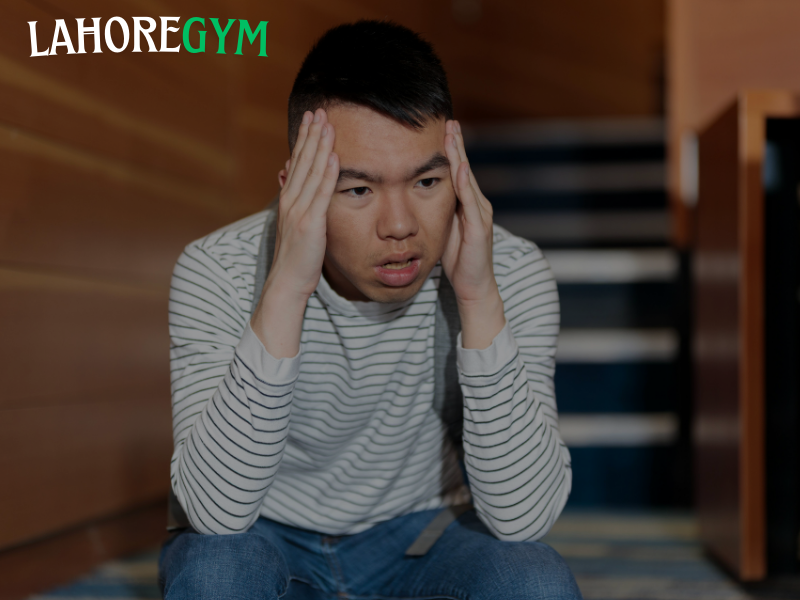
IV. Overtraining Syndrome: When Your Body’s Stress System Breaks Down
The “Hormonal Conditioning” Thing
Here’s something most people don’t know: healthy athletes actually have better stress responses than couch potatoes. When scientists stress-test them (with things like insulin tolerance tests), trained athletes show bigger spikes in cortisol and ACTH. Researchers call this “hormonal conditioning”—basically, your body learns to handle stress better through training.
But here’s the scary part: when you develop Overtraining Syndrome (OTS), you lose that superpower. Your hormonal response drops back down to sedentary levels. It’s like your body forgot all its training. This is the ultimate example of why stress slows fitness at the extreme end.
Where the Problem Actually Lives
Plot twist: in OTS, the issue isn’t usually your adrenal glands (the things making cortisol). They work fine when you stimulate them directly. The problem is upstairs—in your hypothalamus and pituitary, the command centers in your brain. It’s a communication breakdown, not a hardware failure.
The Numbers That Matter (For the Data Nerds)
If you want to get technical about diagnosing OTS, here are the actual markers:
| Test | What They Measure | The Number | What It Means |
|---|---|---|---|
| Morning Spit Test | Cortisol 30 min after waking | > 530 ng/dL | You’re probably fine |
| Morning Spit Test | Cortisol 30 min after waking | < 370 ng/dL | Uh oh, possible OTS |
| Blood Test (ITT) | Cortisol after low blood sugar | > 20.5 µg/dL | Definitely not OTS |
| Blood Test (ITT) | ACTH increase | < 35 pg/mL | 80% chance it’s OTS |
These aren’t just random numbers—they’re legit diagnostic tools used in performance medicine.
V. Your Anti-Stress Toolkit (Stuff That Actually Works)
Mind-Body Tricks You Can Start Today
Look, you don’t need to become a zen master, but these techniques are backed by actual research:
Visualization: Picture yourself crushing your goals. Sounds cheesy, but elite athletes swear by it. It programs your brain for success and chills you out before competition.
Breathing Exercises: Try the 4-7-8 method—breathe in for 4 seconds, hold for 7, breathe out for 8. It’s like a manual override for your nervous system. Works in minutes.
Progressive Muscle Relaxation: Tense and relax each muscle group, starting at your toes and working up. It’s weirdly effective for releasing physical tension.
Mindfulness and Yoga: Yeah, yeah, everyone says this. But it genuinely helps with focus and flips your nervous system into recovery mode.
The Boring Basics That Nobody Wants to Hear (But Actually Matter Most)

Sleep: Poor sleep = high cortisol = goodbye gains. You need 7-9 hours of actual quality sleep. Not “in bed scrolling Instagram” time—real sleep. Dark room, cool temperature, consistent schedule.
Water: Dehydration spikes cortisol. Drink water. Check your pee—if it’s dark yellow, drink more. Simple as that.
Food: Balanced diet, adequate protein, and here’s a pro tip: get more magnesium (leafy greens, nuts, seeds). It helps regulate cortisol and improves sleep. Two birds, one stone.
When You Need to Actually Chill Out
Watch for Post-Exertional Malaise (PEM): This is when you feel worse after activity, not better. It’s not laziness or being out of shape—it’s your body screaming that it can’t recover. If you feel exhausted for days after a workout, cognitive fog, or symptoms that get worse with activity, that’s your red flag.
Pacing Is Not Weakness: Stop when your body says stop. Rest when you need rest. This isn’t giving up—it’s smart training. Pushing through when you shouldn’t is how you dig yourself into a hole.
Important: Pacing is different from “Graded Exercise Therapy” (GET), which has been shown to potentially harm people with certain conditions by repeatedly triggering that PEM response. Pacing respects where you’re at; GET forces you through it. Big difference.
VI. Putting It All Together: Your Body’s Credit Limit Analogy
Here’s the best way I can explain this whole thing: think of your body’s stress capacity like a credit card limit. Every workout, every stressful day, every late night adds to your debt (cortisol, fatigue, cellular damage). But here’s the good part—proper recovery and smart training increase your credit limit over time, so you can handle bigger challenges.
Overtraining Syndrome? That’s like the credit card company suddenly slashing your limit to basically nothing. Even tiny purchases (workouts) max you out instantly. Not because you’re broke, but because the system processing your credit (your HPA axis) is malfunctioning. You’ve earned the capacity, but the bank won’t let you access it.
So What Should You Actually Do?
Start tracking your stress—whether that’s a fancy wearable, morning cortisol tests, or just paying attention to how you feel. Implement stress management alongside your training, not as an afterthought. Remember: managing how stress affects fitness isn’t about grinding harder. It’s about being smart enough to recognize that recovery isn’t a luxury—it’s literally where the magic happens.
The difference between athletes who keep improving and those who plateau or burn out? It’s not who trains hardest. It’s who respects the stress triad—cortisol, mental fatigue, and overtraining—and manages it like a boss. Rest isn’t weakness. Recovery isn’t optional. And stress management isn’t some woo-woo wellness thing—it’s the foundation of peak performance.
Your body will adapt to almost anything you throw at it, as long as you give it the resources to rebuild. Mess with that equation by ignoring stress, and you’re not just hitting a plateau—you’re actively moving backwards. Don’t be that person. Be smarter.