

I. Why the Mediterranean Diet Still Ranks #1
Okay, real talk—the Mediterranean diet has been crowned the best diet for eight years straight. That’s not a fluke, my friend. This isn’t some celebrity juice cleanse that’ll have you fantasizing about pizza by day three. We’re talking about an actual lifestyle that’s backed by research and doesn’t make you want to cry into your salad.
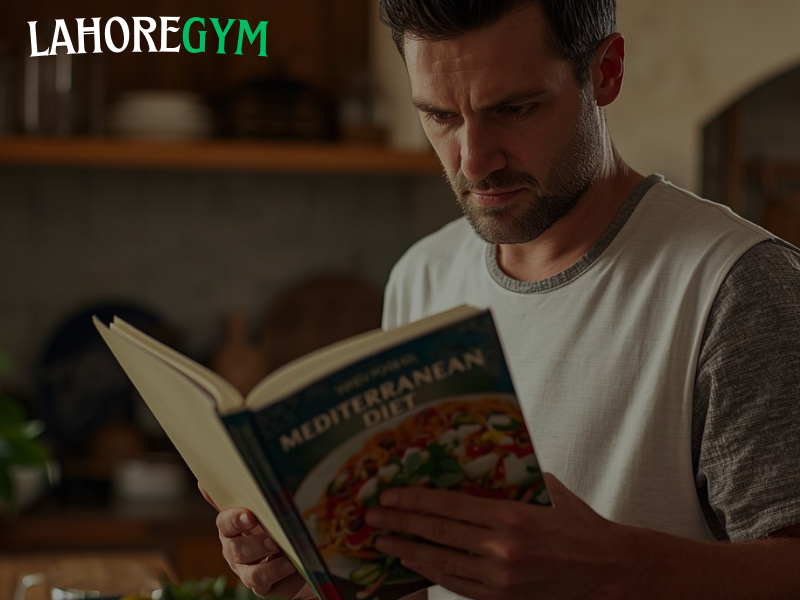
If you’re hunting for a mediterranean diet cookbook that’ll actually help you eat better without feeling deprived, you’re in the right spot. Pour yourself some (red wine is totally Mediterranean, by the way), and let’s dig in.
Here’s the thing I love about Mediterranean eating—it’s basically the opposite of every miserable diet you’ve tried before. No counting every single almond. No guilt trips about eating carbs. It’s all about embracing the good stuff: olive oil instead of butter, fresh fish, mountains of veggies, and foods that taste like you’re actually enjoying life.
This whole approach comes from how people eat in Greece, Italy, and Spain—you know, places where folks have interesting food cultures and culinary traditions. And unlike that keto phase you had last year (no judgment), this one’s actually sustainable. You’re not cutting out entire food groups or meal-prepping sad chicken breasts for eternity.
Whether you’re exploring new ways to eat, looking for variety in your meals, or just want to cook without overthinking everything, the right mediterranean diet cookbook recipes can totally change your game. Think of it as having a wise Italian grandmother in book form, minus the guilt about not visiting enough.
I’m gonna walk you through the absolute best cookbooks out there right now, from “help, I can barely boil water” options to fancy specialized versions. We’ll figure out what makes a cookbook actually worth your money, and I’ll give you real strategies to make this work with your crazy schedule.

II. Essential Criteria: What Makes a Mediterranean Cookbook Great?
Let’s be honest—not every cookbook with “Mediterranean” slapped on the cover is worth your time or money. Some are basically just pretty pictures and recipes that require ingredients you’ll never find. Here’s what to actually look for:
Real Deal Authenticity: The best cookbooks respect where these recipes actually come from. Greek food isn’t the same as Italian, which isn’t the same as Spanish or North African cuisine. They’re all Mediterranean, but they’ve got their own thing going on. Good cookbooks get this and explain why certain ingredients matter, not just “use this because I said so.”
Ingredients You Can Actually Find: Nothing’s more annoying than getting excited about a recipe only to discover it needs some obscure spice blend from a specialty shop three towns over. Great cookbooks either stick to stuff you can find at a regular grocery store or suggest realistic swaps. Like, if it calls for za’atar and you’re staring blankly at your spice rack, a good book will tell you to mix oregano with sesame seeds and sumac (or even skip the sumac if you don’t have it).
The Numbers (But Not in an Obsessive Way): Look, I get it—you don’t want to count every calorie like it’s 2005. But knowing roughly what you’re eating is helpful, especially if you’re watching your nutrition or following specific eating patterns. The best cookbooks give you the info without making it the whole personality of the book.
Recipes That Respect Your Time: Gorgeous photos are cool, but if every recipe needs three hours and a culinary degree, what’s the point? You need options—quick Tuesday night dinners AND impressive weekend dishes for when you’re feeling fancy. Plus, clear instructions that don’t assume you already know what “blanching” means.
Actually Teaching You Stuff: The difference between a good cookbook and a great one? A great one teaches you to think, not just follow orders. It explains how to build flavors, what’s in season, and how to improvise when you realize you’re out of lemons at 6 PM on a Wednesday.
III. The “Golden Standard”: Top Overall Recommendations
The Complete Mediterranean Cookbook by America’s Test Kitchen
Okay, so America’s Test Kitchen is basically the nerd who aced every cooking class, but in the best way possible. They test everything obsessively—we’re talking dozens of home cooks trying each recipe until it’s actually foolproof. Their Mediterranean cookbook has over 500 recipes, and honestly? They’re all winners.
What makes this a top best mediterranean diet cookbook is that they solve problems you didn’t even know you had. Like getting crispy fish skin without it welding itself to your pan? They’ve figured out the exact temperature and technique. It’s cooking science without the boring textbook vibes.
They cover everything from Moroccan tagines to Greek moussaka to Spanish paella. Plus, they include variations for pretty much every dietary preference—vegetarian, vegan, gluten-free, you name it. And if you’re new to this and freaking out about needing special equipment, they’ll tell you exactly what’s actually necessary (spoiler: less than you think).
The whole-roasted fish with chermoula sauce is incredible and way easier than it looks. Their Spanish tortilla is also chef’s kiss—perfectly creamy inside without requiring the patience of a saint or professional knife skills.
The Mediterranean Dish Cookbook by Suzy Karadsheh
Suzy’s cookbook is like cooking with your cool friend who happens to be an amazing cook. She’s Lebanese-Egyptian but lives in California, so she gets both the authentic flavors and the “I have 30 minutes before soccer practice” reality.
Her recipes are legit weeknight-friendly, which is huge. She’s not trying to impress you with complicated techniques—she just wants you to eat really good food without losing your mind. Her sheet pan dinners and one-pot meals are brilliant for when you’re too tired to think.
The photos are gorgeous but not in that intimidating “this will never look like this in my kitchen” way. Suzy’s whole vibe is encouraging you to experiment and have fun, not stress about perfection. Honestly, that attitude is half the reason I love this book.
Her lemon herb Mediterranean chicken with potatoes is stupid easy and tastes like you tried way harder than you did. And her Mediterranean seven-layer dip? Game-changer for parties. It’s basically the flavorful version that people actually want to eat.
IV. Niche Variations: Sustainable, Green, and Hybrid Approaches
The Green Mediterranean Diet
So this is a newer thing—researchers basically asked, “What if we made the Mediterranean diet even MORE plant-heavy?” They call it the “Green Mediterranean” diet, and it amps up stuff like green tea, walnuts, and this aquatic plant called Mankai while cutting back even more on red meat.
Studies have explored this variation and its potential lifestyle benefits. Cookbooks focusing on this usually have creative ways to sneak more veggies into everything. We’re talking green smoothies that don’t taste like grass, plant-based proteins that don’t suck, and salads that are actually exciting.
Sustainability and Waste Reduction
Here’s something cool—Mediterranean cooking is naturally pretty eco-friendly. But some cookbooks take it further, showing you how to waste absolutely nothing. It’s the kind of stuff Mediterranean grandmas have been doing forever out of necessity.
You’ll learn to save veggie scraps for broth, turn yesterday’s bread into panzanella or migas, and preserve all those gorgeous summer tomatoes for winter. It’s good for the planet AND your wallet, plus it connects you to that whole resourceful Mediterranean cooking spirit.
Dietary Hybrids
This is where things get interesting. People are mixing Mediterranean principles with other approaches to match their specific preferences. Mediterranean-Keto keeps all those healthy fats but dials back on grains and beans for those who prefer lower-carb eating. Mediterranean-Paleo focuses on whole foods while skipping grains, legumes, and dairy.
Are these “true” Mediterranean? Eh, purists would probably say no. But they show how flexible this framework is. If you want to adapt it for your personal eating style, you totally can.
V. Solutions for Busy Lifestyles and Beginners
The 30-Minute Window
Let’s face it—time is the enemy of home cooking. But here’s the secret: tons of Mediterranean dishes were designed by busy people who needed dinner on the table fast. They just happened to be in Greece or Italy instead of rushing home from the office.
Quick Mediterranean cookbooks are your best friend here. They focus on maximizing flavor without maxing out your time. Quality ingredients, proper seasoning, and knowing which shortcuts won’t ruin your meal—that’s the formula.
Look for books with realistic cook times (and I mean REALISTIC, not “30 minutes if you’re a professional chef with prep done”), short ingredient lists, and basic equipment. One-pan meals, sheet pan dinners, and grain bowls are your weeknight MVPs.
Simplicity at its Best
Starting with complicated recipes when you’re new to Mediterranean cooking is like learning to drive in a Ferrari. It’s intimidating and probably gonna end badly.
The best beginner cookbooks start you off easy—hummus, Greek salad, simple fish—before working up to the fancy stuff. They explain what terms mean, show you techniques with pictures, and won’t shame you when you mess up (because you will, and that’s totally fine).
Done-for-You Planning
Meal planning is where even confident cooks sometimes lose it. Thankfully, some modern cookbooks include actual meal plans with shopping lists and prep schedules. They show you how to use ingredients across multiple meals so you’re not buying fresh dill just to use one tablespoon.
These are lifesavers if you’re new and feel overwhelmed by the whole “balanced meal” concept. They’ll teach you how to stock your pantry, what to prep on Sundays, and how to transform leftovers into completely different meals instead of eating the same thing four days in a row.
VI. Expert-Vetted Digital Resources & Community Favorites
Top Websites for Daily Inspiration
Cookbooks are great, but sometimes you need fresh ideas RIGHT NOW. A few websites consistently deliver the goods.
The Mediterranean Dish (yeah, same Suzy) has her cookbook recipes plus hundreds more. Everything’s tested in her actual home kitchen, and she includes helpful tutorials and ingredient guides. The search function is clutch when you’re like, “I have chicken thighs and no clue what to do with them.”
Olive Tomato is your go-to for authentic Greek recipes with super detailed tutorials. If you’ve always wanted to make spanakopita but phyllo dough scares you, their step-by-step photos will hold your hand through it.
For Italian Mediterranean stuff, Serious Eats brings the science. They don’t just tell you WHAT to do—they explain WHY it works. Once you understand the principles, you can improvise like a boss.
YouTube Channels
If you’re a visual learner (no shame, me too), YouTube is where it’s at. Watching someone actually do the thing is way more helpful than reading about it.
Akis Petretzikis is a Greek chef with tons of personality. His videos show both traditional recipes and modern twists. Even if you don’t speak Greek, you can follow along pretty easily because the visuals are so clear.
Ethan Chlebowski does Mediterranean-inspired recipes with all the nutritional info and cooking science explanations. He makes everything feel doable and explains things without being condescending, which is refreshing.
VII. FAQ: Answering the Most Common Mediterranean Questions
What about the “Egg Limit”?
You’ve probably heard you’re supposed to limit eggs to four a week. Yeah… perspectives on that have evolved. Turns out the Mediterranean diet is more about overall patterns than obsessing over individual foods.
Many people enjoy eggs as part of a balanced Mediterranean eating pattern, especially when they’re replacing other proteins. Just focus on how you cook them—poached, boiled, or scrambled with olive oil beats fried in butter. And load up on veggies alongside them.
Is it sustainable for non-vegetarians?
Absolutely! People get confused and think Mediterranean means vegetarian. Nope. It includes fish, chicken, eggs, and dairy regularly. Even red meat shows up occasionally—it’s just not the star of every single meal.
The trick is thinking about meat as a supporting actor, not the main character. Quality over quantity, you know? Choose wild-caught fish and pasture-raised chicken when you can afford it, but don’t stress if you can’t always swing it.
Where do I find specialty ingredients?
Good news—most Mediterranean staples are everywhere now. Olive oil, feta, tahini, canned chickpeas? Your regular grocery store probably has all of it.
For weirder stuff like pomegranate molasses or sumac, Amazon’s your friend. Or specialty online stores like Thrive Market. But honestly, good cookbooks always suggest substitutions, so missing one ingredient shouldn’t stop you from making dinner.
VIII. Adopting a Lifestyle, Not Just a Diet
Here’s the beautiful thing about Mediterranean eating—it’s not really a “diet” in the punishment sense. It’s about enjoying food, eating with people you love, and not making yourself miserable in pursuit of some impossible ideal.
Getting the right mediterranean diet cookbook is just your starting point. Whether you go with something comprehensive like America’s Test Kitchen or more personal like Suzy’s book, the important thing is actually starting. Don’t overthink it.
Remember, people in Mediterranean countries didn’t develop these eating habits by following rules—it happened naturally over centuries based on what was available and tasted good. You’re not trying to recreate a Greek island in your suburban kitchen. You’re adapting the principles to YOUR life, your budget, and your taste.
Some recipes will become weekly staples. Others you’ll try once and be like, “Yeah, that’s not my thing.” And that’s totally okay! This isn’t about perfection—it’s about finding what works for you.
Pay attention to what actually brings you joy. Notice how you feel after eating. See if cooking becomes less of a chore and more of something you actually look forward to. The best mediterranean diet cookbook recipes are the ones you’ll actually make on repeat, not the ones that’ll get you Instagram likes.
Analogy for Understanding
Think about learning Mediterranean cooking like learning a language. You wouldn’t expect to be fluent after one lesson, right? You start with basic phrases, practice regularly, mess up a lot, and gradually get more comfortable. Some days you’re nailing it, other days you’re stumbling through like a tourist.
Mediterranean cooking’s the same deal. At first, everything feels unfamiliar. You’re learning new flavor combinations, buying different pantry staples, and developing new habits. Some recipes will be disasters (I once set off my smoke alarm making Greek chicken—twice). Others will blow your mind with how good simple ingredients can taste.
But over time, reaching for olive oil instead of butter becomes automatic. Choosing fish over steak feels normal. Building meals around vegetables stops feeling weird. It just becomes how you cook.
The Mediterranean diet isn’t a finish line where you arrive and declare victory. It’s an ongoing thing that evolves with you. Your needs change, your taste changes, life changes. The cookbooks are just guides helping you explore an approach to eating that’s been working for people for centuries—one that celebrates both deliciousness and enjoyment without making you choose between them.
So grab a cookbook, pick a recipe that looks good, and just start. Don’t wait for Monday or the first of the month or until you’ve cleared out your pantry. Just… start. Your future self (and your taste buds) will thank you.
This content is for informational and lifestyle purposes only.