

So, you’ve been dealing with some not-so-fun digestive stuff and someone mentioned trying a low FODMAP diet meal plan? I get it—the name alone sounds intimidating (seriously, who comes up with these acronyms?). But stick with me here, because this approach has helped tons of people figure out what’s been messing with their stomachs, and it might just work for you too.
Understanding the Low FODMAP Breakthrough
Okay, let’s break down what FODMAP actually means without making your eyes glaze over. It stands for Fermentable Oligosaccharides, Disaccharides, Monosaccharides, and Polyols—basically, they’re short-chain carbs that your small intestine isn’t great at absorbing. When these little troublemakers make it to your large intestine, they start fermenting and pulling water into your gut. The result? Bloating, gas, stomach discomfort, and bathroom trips that are… well, unpredictable.
Here’s the good news: lots of people have found that following a structured low FODMAP diet plan makes a real difference in how they feel. Scientists have been studying this stuff for years now, and it’s become a pretty popular approach for folks exploring their food sensitivities.
Now, here’s something super important—this isn’t meant to be your forever diet. Think of it more like being a detective with your own body. You’re trying to figure out which specific FODMAPs don’t agree with you, so you can eventually eat as many different foods as possible while still feeling good. Nobody wants to be that person ordering plain chicken and rice at every restaurant for the rest of their life, right?
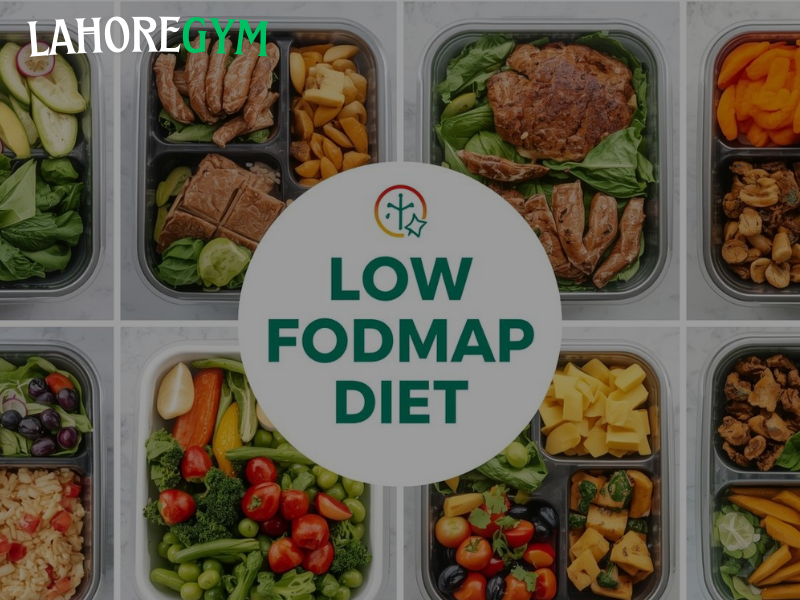
The 3-Phase Scientific Framework
Alright, so if you’re gonna do this thing, you need to do it right. There’s actually a method to the madness, and it’s broken down into three phases. Skipping around or rushing through them is like trying to build IKEA furniture without the instructions—technically possible, but you’re probably gonna mess it up.
Phase 1: Elimination (2–6 Weeks)
This is where you basically hit the reset button. You’ll cut out all the high-FODMAP foods for a few weeks to give your gut a break. Think of it as a little vacation for your digestive system. Most people start noticing they feel different within the first couple of weeks, though some need the full six to really see what’s up. Just hang in there—it’s temporary, I promise.
Phase 2: Reintroduction (6–8 Weeks)
This is honestly the most interesting part. You’ll start playing food detective, testing different FODMAP groups one by one—lactose, fructose, fructans, galactans, and polyols (yeah, those weird words again). So like, you might try some milk for three days to test lactose, see how you feel, then go back to the elimination foods for a few days before testing the next group. It’s kind of tedious, but it’s also super cool because you’re literally figuring out your body’s unique quirks.
Phase 3: Personalization
This is where all that detective work pays off! Now you know exactly which FODMAPs mess with you and which ones you can totally handle. You’ll build yourself a long-term eating plan that includes as much variety as possible—no more avoiding foods “just in case.” You only avoid the stuff that actually bothers YOU.
Pro tip: Working with a Registered Dietitian through this whole thing can be a game-changer. They’ll help you avoid rookie mistakes like accidentally cutting out important nutrients or throwing in the towel too early. Think of them as your food-science sidekick.
The “Stocked Kitchen” Grocery List
Let’s talk about stocking your kitchen so you’re not constantly wondering “wait, can I eat this?” Here’s your cheat sheet for low FODMAP meal plan staples:
Grains and Starches: Rice (white or brown, your call), quinoa, gluten-free oats, corn tortillas, rice noodles, and 100% spelt bread. These are your meal MVPs—so versatile and filling.
Proteins: Chicken, beef, pork, fish, eggs, firm tofu, and tempeh are all totally fine. They’re naturally low in FODMAPs, which makes life way easier. Load up on these and you’ll never go hungry.
Vegetables: Carrots, cucumbers, spinach, zucchini, eggplant, bell peppers, bok choy, tomatoes, and green beans are all good to go. And here’s a cool hack—even though you can’t have garlic cloves, you CAN use garlic-infused oil. You get all that delicious flavor without the tummy trouble. Genius, right?
Fruits: Blueberries, strawberries, kiwi, oranges, grapes, cantaloupe, and firm bananas (the greener the better) are your sweet friends. Just watch your portions—going overboard on even “safe” fruits can still cause issues.
Dairy Alternatives: Lactose-free milk and yogurt, almond milk, coconut milk, and aged cheeses like cheddar, parmesan, and swiss. Basically, you’re not doomed to a dairy-free life unless lactose is genuinely your enemy.
Low FODMAP on a Budget: The $70 Weekly Challenge
Can we talk about money for a sec? Because I know what you’re thinking—”This is gonna cost me a fortune in fancy ‘certified low FODMAP’ products, isn’t it?”
Nope! Here’s the thing: you don’t actually need all those expensive specialty items. Sure, they exist, but they’re totally optional.
The Real Strategy: Just buy normal, whole foods that happen to be low in FODMAPs. Potatoes, rice, eggs, seasonal veggies—these things are cheap AND good for you. Way better than dropping $8 on some fancy certified granola bar anyway.
Here’s What a Week of Groceries Might Look Like:
- White rice (5 lbs): $4
- Eggs (18 count): $5
- Chicken thighs (3 lbs): $9
- Canned tuna (4 cans): $6
- Peanut butter: $4
- Corn tortillas (30 count): $3
- Carrots (3 lbs): $3
- Spinach (16 oz): $4
- Bananas (firm ones): $2
- Frozen strawberries (32 oz): $6
- Potatoes (5 lbs): $4
- Lactose-free milk (half gallon): $5
- Cheddar cheese (8 oz): $4
- Quinoa from the bulk bin (2 lbs): $8
- Olive oil: $7
Total: Around $70
Money-Saving Tricks: Store brands are your best friend—they’re literally the same as name brands but cheaper. Buy whatever produce is in season (it’s fresher AND costs less). Hit up those bulk bins for grains. And honestly? Frozen veggies and fruits are clutch—they’re picked at peak ripeness, frozen right away, and way cheaper than fresh a lot of the time.
Special Dietary Needs: Vegetarian & Vegan Low FODMAP
Okay, so what if you’re plant-based? Can you still do this? Absolutely! It just takes a bit more planning since you’re already limiting your protein options.
Protein Game Plan: Firm tofu and tempeh are gonna be your go-tos. Most beans and legumes are pretty high in FODMAPs, BUT here’s a workaround—small amounts (like 1/4 cup) of canned, well-rinsed lentils or chickpeas are usually okay. Quinoa’s also great because it’s got all those essential amino acids.
Flavor Hacks: Since garlic and onions are vegetarian cooking staples but also high in FODMAPs, garlic-infused oil becomes your secret weapon. You get all that savory goodness without any of the digestive drama. Trust me, it’s a lifesaver.
Foods Packed with Good Stuff:
- Iron-Rich: Pumpkin seeds, spinach, quinoa, fortified cereals
- Calcium-Rich: Fortified almond milk, firm tofu, chia seeds, kale
- Omega-3s: Walnuts, chia seeds, hemp seeds, flaxseeds
- B12: Fortified nutritional yeast, fortified plant milks, supplements
- Zinc: Hemp seeds, pumpkin seeds, tempeh, tahini
Top Recommended Tools & Resources
Let me share some tools that’ll make your life SO much easier:
Apps You Need:
- Monash University FODMAP App: This is THE app. The researchers who came up with the whole low FODMAP concept made it, and it’s got info on thousands of foods. Totally worth the few bucks.
- Spoonful App: Scan barcodes at the grocery store and instantly know if something’s low FODMAP. No more standing in the aisle squinting at ingredient labels for 10 minutes.
Meal Delivery Options (If You’re Feeling Lazy):
- ModifyHealth: They hook you up with dietitian support, which is pretty cool if you want professional guidance.
- Epicured: The meals are actually chef-designed and creative. Proof that low FODMAP doesn’t mean boring food.
- FODY Foods: These folks make all the pantry basics you miss—salsa, pasta sauce, dressings—without the high-FODMAP stuff.
Blogs Worth Following: Check out Gluten Free Cuppa Tea for gorgeous food pics and recipe inspo, FODMAP Everyday for real-world tips from people who’ve been there, and The IBS Dietitian for solid nutritional info from actual experts.
Debunking Common Myths
Let’s bust some myths real quick because there’s a LOT of confusion out there:
Myth: “You can’t get enough fiber.”
Reality: Um, yes you can. Chia seeds have 10 grams per ounce. Raspberries pack 8 grams per cup. Kiwis, quinoa, oats—all great fiber sources. You’re good.
Myth: “It’s basically gluten-free, right?”
Reality: Nope, totally different things. Low FODMAP targets specific carbs (fructans) in wheat, not the gluten protein. You can actually eat some gluten-containing grains like spelt in the right amounts.
Myth: “Once you start, you’re stuck on it forever.”
Reality: Hard no. The elimination phase is only 2-6 weeks. The whole point is to eventually add back as many foods as you can. Nobody wants you eating bland chicken forever—least of all you.
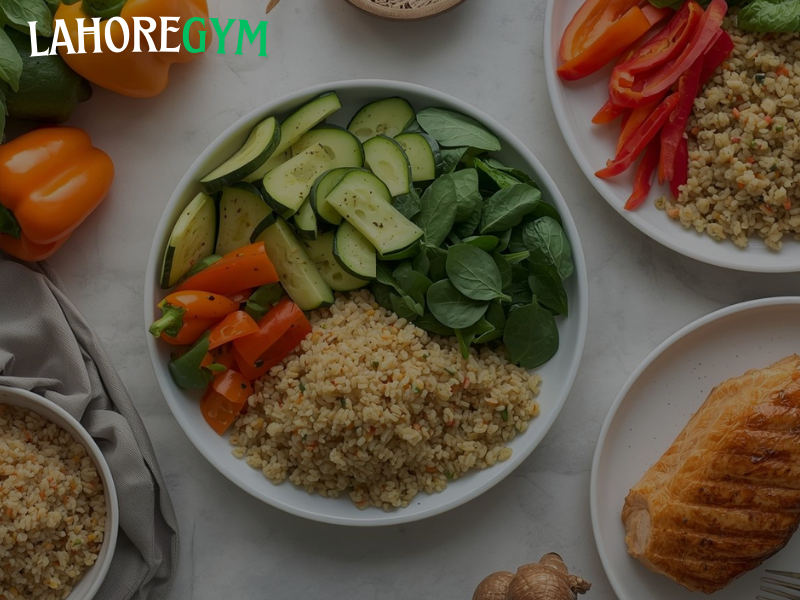
5-Day Sample Meal Plan Preview
Okay, let me show you what this actually looks like in real life. Spoiler alert: it’s not all bland and sad.
Day 1
Breakfast: Overnight oats with lactose-free milk, chia seeds, blueberries, and maple syrup (make it the night before and you’re golden)
Lunch: Tuna salad wrapped in butter lettuce with baby carrots on the side
Dinner: Grilled chicken with roasted peppers and zucchini over quinoa
Snack: Rice cakes with peanut butter (classic and delicious)
Day 2
Breakfast: Scrambled eggs with spinach and cherry tomatoes, plus a firm banana
Lunch: Quinoa bowl loaded with cucumber, shredded carrots, grilled tofu, and ginger-tahini dressing
Dinner: Baked salmon with green beans and herb potatoes
Snack: Lactose-free yogurt with sliced kiwi
Day 3
Breakfast: Smoothie time! Lactose-free yogurt, strawberries, spinach, and almond milk
Lunch: Chicken and rice soup with carrots and celery (perfect comfort food)
Dinner: Beef stir-fry with bok choy, bell peppers, and ginger-lemon sauce over rice noodles
Snack: About 10 walnut halves and an orange
Day 4
Breakfast: Gluten-free toast with mashed avocado (just 1/8 of a whole one) and a poached egg
Lunch: Lettuce wraps stuffed with ground turkey, shredded carrots, cucumber, and sesame-ginger sauce
Dinner: Baked chicken thighs with roasted eggplant and a simple salad
Snack: Rice crackers with aged cheddar
Day 5
Breakfast: PB banana smoothie (firm banana, lactose-free milk, peanut butter, ice—blend and go)
Lunch: Grilled shrimp over greens with cherry tomatoes and lemon-olive oil dressing
Dinner: Pork tenderloin with mashed potatoes and steamed green beans
Snack: Grapes with a handful of macadamia nuts
Your Path Forward
Look, starting a low FODMAP diet meal plan is kind of a big deal, but it’s also pretty empowering. Yeah, the elimination phase feels restrictive at first, but remember—it’s temporary and it’s got a purpose. Every day gets you closer to understanding what works for YOUR body specifically.
The secret sauce? Patience, a solid plan, and actually following through with all three phases. Don’t just do phase one and call it a day. And seriously, consider working with a dietitian who knows their stuff about digestive nutrition. They’ll make sure you’re not accidentally missing out on important nutrients while you’re figuring everything out.
Here’s the thing: your relationship with food is personal. What works for your friend might not work for you, and that’s totally okay. With the right low FODMAP diet plan, some practical strategies, and good resources, you can figure out which foods make you feel awesome and build an eating style that actually fits your life for the long haul.
Disclaimer: This content is for informational and lifestyle purposes only. It is not intended to diagnose, treat, cure, or prevent any condition. Always consult with a qualified healthcare professional before making significant dietary changes or if you have concerns about your health.