

So you’ve been scrolling through wellness content and keep seeing “alkaline diet” pop up everywhere, right? And you’re probably wondering if this whole pH thing is legit or just another internet trend. Well, grab a cup of herbal tea (we’ll get to why later), and let’s dive into this together. Understanding the alkaline diet food chart might actually help you make some pretty cool food choices, and I promise to keep it real with you.
Understanding the Body’s Internal Environment
Okay, before we get into the fun stuff like what you can actually eat, let’s talk pH for a sec. Don’t worry—I’ll keep it simple! Potential Hydrogen (pH) is basically just a scale from 0 to 14. Seven is neutral (think plain water), anything below 7 is acidic (like lemon juice), and above 7 is alkaline or basic (like baking soda). Battery acid is hanging out around 1 (yikes!), and bleach is up near 13.
Here’s the deal with alkaline eating: it’s all about choosing foods based on this pH concept. People who are into this approach focus on eating stuff that creates alkaline byproducts in your body because, well, they think it’s a better way to eat.
Now, here’s something super important that a lot of people don’t realize: your blood already sits at a slightly alkaline pH between 7.35 and 7.45. And get this—your body is crazy good at keeping it right there, no matter what you eat. Your kidneys and lungs are basically working 24/7 to maintain that balance. It’s honestly pretty impressive when you think about it!
So if your blood pH doesn’t actually change, why bother with an alkaline food chart? Great question! It’s more about the overall eating pattern this approach creates. Spoiler alert: you’ll be eating way more veggies, and that’s never a bad thing.
The “Ash” Philosophy: Why pH vs. PRAL Matters
Here’s where it gets kinda interesting (and where most people get confused). A food’s classification on the alkaline diet food list isn’t about how it tastes or what its pH is when you bite into it—it’s about what happens after your body breaks it down.
Enter this thing called PRAL—Potential Renal Acid Load. I know, sounds super technical, but stick with me! It’s basically a fancy way of calculating what kind of metabolic leftovers a food creates after you digest it. Scientists look at stuff like protein, phosphorus, potassium, magnesium, and calcium to figure this out.
And here comes my favorite part—the lemon paradox! Lemons are crazy acidic, right? Like pucker-your-face acidic with a pH around 2. But on every alkaline food chart you’ll find, they’re listed as super alkalizing. Mind-blowing, I know! It’s because lemons are packed with minerals like potassium and magnesium. When your body processes them, those minerals stick around as “alkaline ash” while the citric acid gets dealt with and eliminated. The end result? Alkalizing, despite tasting like you’re eating sour candy.
This same thing happens with limes, grapefruits, and even tomatoes. Pretty cool how nature works, huh?
The 80/20 Rule: Finding Your Balance
Here’s the good news: nobody’s asking you to be perfect (thank goodness). Most people following this eating style aim for an 80/20 split—about 80% alkalizing foods and 20% from the acid-forming list. It’s like the food version of work-life balance!
If you’re just starting out, some nutrition folks actually suggest going easier with a 60/40 ratio. No need to go from zero to hero overnight. Your body will thank you for taking it slow.
The whole point is creating what they call “alkaline ash” through smart food combos. Think of it as picking foods that play nicely together and work with your body instead of against it. It’s teamwork, but with vegetables!
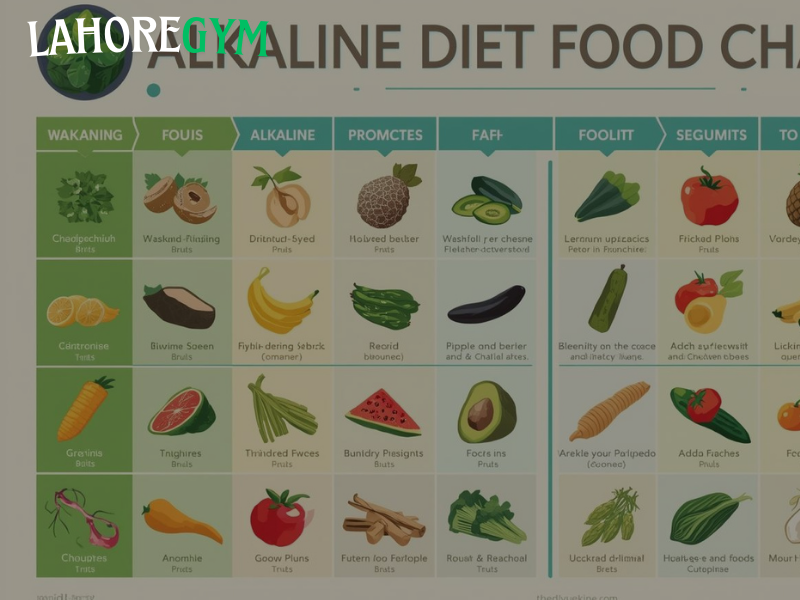
The Ultimate Alkaline Food List
Alright, let’s get to the good stuff—what actually goes in your shopping cart? This is where the rubber meets the road, my friend.
Top Alkalizing Fruits
Let’s focus on the low-sugar, mineral-packed winners:
- Avocado: Yes, it’s technically a fruit! Loaded with healthy fats and scores major alkaline points
- Tomato: That lycopene goodness with serious alkalizing street cred
- Lemon and Lime: We covered this already, but seriously—these sour guys are alkaline MVPs
- Grapefruit: Vitamin C for days, plus it’s alkaline-forming
Now, bananas are a bit of a wild card. They’ve got tons of potassium (which is great!), but that 25% sugar content means some charts side-eye them a bit. My take? Don’t stress about it—just don’t go eating five bananas a day and you’re golden.
Powerhouse Vegetables
Okay, vegetables are basically the rockstars of any alkaline diet food chart:
- Leafy Greens: Kale, spinach, Swiss chard, collard greens—these are like the A-list celebrities of alkaline eating
- Cruciferous Veggies: Broccoli, cauliflower, Brussels sprouts, cabbage. Yeah, I know Brussels sprouts have haters, but they’re alkaline champions!
- Root Vegetables: Carrots, beets, sweet potatoes, turnips—earthy, filling, and alkaline
- Cucumbers and Celery: Super hydrating and crazy alkalizing. Plus, they’re basically water with crunch!
Alkaline Grains and Seeds
Not all grains made the cool kids list, but these ones did:
- Sprouted Grains: Sprouting reduces phytic acid (whatever that is) and makes them more alkaline
- Quinoa: A complete protein that’s also alkaline? Sign me up!
- Amaranth and Millet: These ancient grains are having a moment, and for good reason
- Buckwheat: Plot twist—it’s not actually wheat, and it’s alkaline!
For seeds, you’ll want pumpkin seeds, sunflower seeds, and chia seeds in your pantry.
Healthy Fats
Don’t sleep on good fats—your body needs them:
- Cold-Pressed Oils: Flax oil, avocado oil, extra virgin olive oil (get the good stuff!)
- Raw Nuts: Almonds are your best bet, especially if you soak and sprout them (yes, that’s a thing)
- Coconut Oil: Those medium-chain triglycerides with a neutral-to-alkaline vibe
Acid-Forming Foods to Limit
Alright, now let’s talk about what typically gets the red flag on the alkaline diet food list. Don’t panic—you don’t have to completely eliminate these, remember the 80/20 rule?
High-Acid Foods
These are the heavy hitters on the acid side:
- Animal Proteins: Beef, pork, chicken, shellfish (fish is a bit easier on the scale)
- Dairy Products: Cheese, milk, yogurt, butter—yeah, I know, it’s tough
- Processed Sugars: White sugar, high-fructose corn syrup, artificial sweeteners (no surprises here)
The “Hidden” Acids
Plot twist! Some “healthy” foods are actually acid-forming:
- Fermented Soy Products: Soy sauce, miso, tempeh—who knew?
- Mushrooms: Even though they’re vegetables, most types are acid-forming. Nature’s little pranksters!
- Vinegar: Except apple cider vinegar, which gets a pass
Beverage Considerations
What you drink matters just as much as what you eat:
- Coffee and Black Tea: Both lean acidic (herbal tea gang, where you at?)
- Soda and Energy Drinks: Crazy acidifying with pH levels around 2.5—basically liquid candy acid
- Alcohol: All types contribute to acid load, with hard liquor being the worst offender. Sorry, tequila fans!
Beyond Diet: Holistic pH Management
Here’s the thing—your alkaline food chart is just one piece of the puzzle. People who really get into this lifestyle look at the bigger picture.
Hydration as Foundation
Water quality gets a lot of attention in alkaline circles. Fans of this approach often drink alkaline or ionized water with a pH around 9.5. At the very least, filtered water is your friend. Nobody wants mystery chemicals in their H2O!
The Breathing Connection
Okay, this is actually pretty fascinating. A lot of alkaline diet folks also geek out about breathing techniques. Turns out, nose breathing delivers nitric oxide to your lungs (which sounds way cooler than it is), and it helps with oxygen absorption and CO2 levels. CO2 isn’t just waste gas—it actually plays a role in your body’s buffering system.
Breathing through your mouth all the time? That might be affecting more than you think. Some people who follow alkaline eating also practice breathing exercises. It’s all connected, apparently!
Stress and Lifestyle
Let’s be real—stress messes with everything. When you’re stressed, your body pumps out cortisol and inflammatory stuff happens. That’s why many people pair alkaline eating with meditation, good sleep habits, and stress management. It’s like a wellness combo meal!
Strategic Food Combining for Better Digestion
There’s this whole philosophy about how you combine foods on your alkaline diet food list. Some people swear by it!
The Core Principles
Fruit Timing: Eat fruits solo or on an empty stomach. The theory is that when fruits hang out with proteins or starches in your stomach, things get fermented and bloaty. Not fun.
Protein Pairing: Keep animal proteins with non-starchy veggies only. This is supposedly the dream team for digestion.
Fat and Protein Separation: Mayo on chicken? Cream sauce on steak? Food combining people say nope. Fats supposedly slow down protein digestion, and that can get messy.
The Digestion Benefits
People who follow these rules say their digestion runs smoother than a fresh jar of peanut butter. Less bloating, more comfort, better energy. Your mileage may vary, but hey, might be worth trying!
Practical Steps for Transitioning
Ready to give this alkaline thing a shot? Let’s make it actually doable.
Take Inventory
Start with a three-day food journal. Just write down what you eat—no judgment! You’re basically doing recon to see where you’re starting from. How much processed stuff are you eating? What’s your veggie situation looking like? Knowledge is power, friend.
Clear the Cupboards Gradually
Don’t go full Marie Kondo on your pantry tomorrow. As stuff runs out, just replace it with more alkaline options. Potato chips → raw almonds. Cookies → fresh berries. Soda → herbal tea or lemon water. Baby steps!
Honor Rest Hours
There’s this whole thing about sleeping between 10 PM and 2 AM being extra restorative. Wellness folks call it prime time for your body to do its thing. Pair good sleep with your alkaline food choices, and you’ve got a winning combo.
Expert Review and Sustainability
Let’s get real for a second. Science tells us that what you eat doesn’t actually change your blood pH—your body’s way too good at regulation for that. BUT (and it’s a big but), the alkaline diet has you eating tons of vegetables, cutting way back on processed junk, reducing sugar, and staying hydrated.
And you know what? Those things are genuinely good for you, pH or no pH! Research backs up the benefits of eating more plants and less processed food. So even if the pH theory isn’t the full story, you’re still winning.
Potential Considerations
Just watch out for super restrictive versions of this diet. If someone’s telling you to eliminate entire food groups, pump the brakes. You want variety in your diet! Use your alkaline food chart as a helpful guide, not a prison sentence. Balance is key—always has been, always will be.
Conclusion and Frequently Asked Questions
Think of this whole alkaline thing like maintaining a swimming pool. You’re not trying to turn the water into something completely different. You’re just keeping the filters clean by making smart food choices. This way, everything runs smoothly without getting gunked up by processed food residue.
What are the main benefits people report?
People who eat this way often say they feel more energized, their digestion improves, and they love eating way more vegetables. Plus, cutting back on processed food is pretty much universally agreed to be a good move. Can’t argue with that!
How do I measure my pH levels?
You can grab dual-pad pH testing strips (they’re like $10 online) and check your urine and saliva. Do it first thing in the morning before eating or drinking anything. Your urine pH usually hangs out between 6.0 and 7.5, and saliva should be around 6.8 to 7.2. Just remember, you’re measuring metabolic stuff, not your actual blood pH.
Can I follow this long-term?
Honestly? Lots of people do and find it pretty easy to stick with. Unlike those crazy restrictive diets that make you want to cry into your plain chicken breast, alkaline eating is more about adding good stuff than taking everything away. More veggies, better hydration, less junk—that’s sustainable!
The alkaline approach gives you a framework without being a total buzzkill. Use your alkaline food chart as a helpful tool, not a strict rulebook. Life’s too short to stress about every single bite! Adapt it to your lifestyle, and you’ll be just fine.
Disclaimer: This content is for informational and lifestyle purposes only. It is not intended to diagnose, treat, cure, or prevent any disease or medical condition. The information provided discusses dietary patterns and food choices based on alkaline diet philosophy. Blood pH is tightly regulated by the body regardless of diet. Always consult with a qualified healthcare professional before making significant changes to your diet or lifestyle, especially if you have existing health conditions or concerns.