

Okay, so you’ve been absolutely killing it at the gym, eating like a champ, and then BAM—everything just… stops. The scale’s being stubborn, your lifts aren’t budging, and you’re wondering if you accidentally angered the fitness gods. If you’re hunting for the best ways to break plateau frustrations, trust me, you’re in good company. Let’s figure out why this happens and how to kick your progress back into gear.
Understanding Why Progress Stalls (And Why It’s Normal)
What is a Plateau?
A plateau is basically when your body gives you the silent treatment—it stops responding to the workouts and diet that used to work like magic. Whether you’re stuck on a lift, can’t run any faster, or searching for the best ways to break fat loss plateau nightmares, here’s the thing: it’s totally normal. Your body got really good at what you’ve been doing, and now it’s like “meh, we’ve adapted to this already.”
The Body’s Adaptive Resistance
There’s this fancy concept called General Adaptation Syndrome (don’t worry, no quiz later). Basically, when you stress your body, it goes through three phases: freaking out, adapting, and then burning out. That middle phase is where the magic happens—you get stronger and fitter. But if you keep doing the exact same thing forever? Your body’s like “cool story, been there, done that” and progress just stops.
Then there’s adaptive thermogenesis, which sounds super scientific but really just means your body’s a bit of a survival expert (and honestly, kind of annoying). As you lose weight, your body decides to be “helpful” by burning fewer calories. It’s trying to keep you alive during a “famine,” except you’re not in a famine—you’re just trying to fit into your jeans. Your body’s efficiency increases, you move less without even realizing it, and suddenly that calorie deficit isn’t deficiting anymore.
The Psychology of the “Dip”
There’s this author, Seth Godin, who talks about “the dip”—that annoying phase between beginner gains (when everything’s easy) and actually getting good at something. Most people quit here because they think they’ve hit a permanent wall. Spoiler alert: you haven’t. Your body just needs you to switch things up.
Self-Assessment – Confirming It’s a Real Plateau
Before we dive into the best ways to break weight loss plateau problems, let’s make sure you’re actually stuck and not just being impatient or, let’s be honest, a little sloppy with tracking.
The Honesty Check (Nutrition, Workouts, and Sleep)
Calorie tracking and macros: Here’s an uncomfortable truth—people underestimate what they eat by like 20-30%. Are you really tracking everything? That handful of almonds? The oil you cooked with? Those “just a few bites” of your partner’s dessert? They count. Grab a food scale for a couple weeks and prepare to be humbled.
Training intensity and consistency: Real talk—are you actually pushing yourself, or has your “hard workout” turned into something you could do while checking Instagram? If you can chat comfortably or scroll through your phone between sets, you’re probably not working hard enough to force your body to change.
Sleep quality and duration: If you’re skimping on sleep, you’re basically sabotaging yourself. You need 7-9 hours for your body to recover and maintain your energy levels. Good sleep helps you stay energized and focused on your fitness goals. Not exactly rocket science, but definitely important.
Monitor Beyond the Scale (Non-Scale Victories)
Body composition tracking: The scale is kind of dumb, honestly. It can’t tell the difference between fat, muscle, water weight, or that burrito you had yesterday. You could be losing fat and gaining muscle, which means the scale stays the same but you look way better. Try measurements, progress pics, or even fancy scans if you’re feeling bougie.
Progress photos and measurements: Take weekly photos in the same lighting, same outfit, same everything. Measure your waist, hips, arms, and thighs monthly. Sometimes you’re making amazing progress but the scale’s just being dramatic.
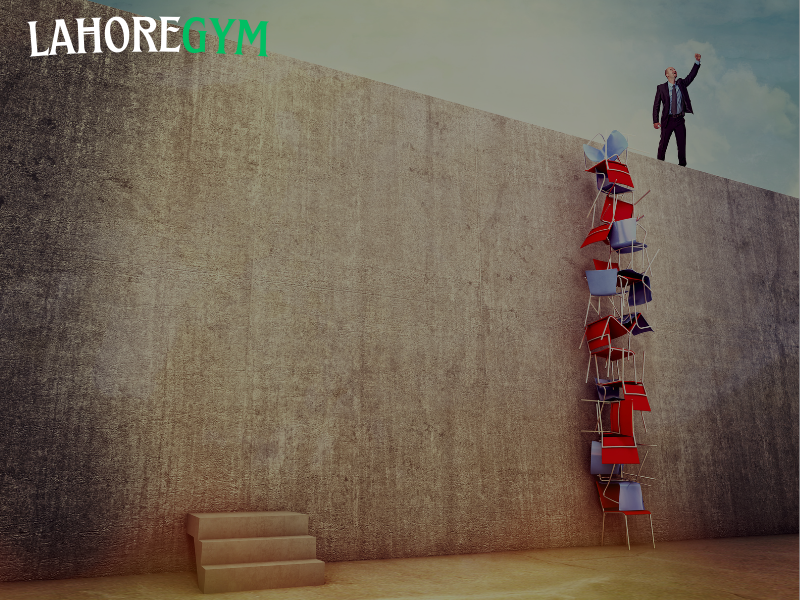
Overhauling Your Training to Induce Chaos (Progressive Overload Strategies)
Your body’s gotten comfortable, so it’s time to shake things up. Think of it as keeping your muscles confused and slightly annoyed.
Manipulate Intensity and Difficulty
Increase intensity: If you’ve been lifting at 60-70% of your max, crank it up to 75-85%. For cardio folks, ditch the steady boring stuff and try some high-intensity interval training. Research suggests HIIT can be an efficient workout approach, which honestly sounds like a win-win.
Decrease rest time: Cut your rest periods from 90 seconds down to 45-60 seconds. You’ll be huffing and puffing, but that’s the point—you’re doing more work in less time, and your body has no choice but to adapt.
Add metabolic finishers: End your workouts with 5-10 minutes of pure chaos—sled pushes, battle ropes, burpees, or kettlebell swings. These finishers leave you gasping but challenge your cardiovascular system and keep your workouts interesting.
Vary Volume and Load
Change reps and sets: Been doing 8-12 reps forever? Switch it up! Try heavy sets of 3-5 reps for strength, or go lighter for 15-20 reps for endurance. Different rep ranges hit your muscles in different ways.
Increase training frequency: Instead of hitting each muscle once a week, try full-body workouts three times weekly or do upper/lower splits four days a week. More practice equals better gains.
Add accessory work: Sometimes it’s the little muscles that are holding you back. Work on those hip stabilizers, rotator cuffs, and core muscles that usually get ignored. Your big lifts will thank you.
Change Routine and Modality
Change the activity: If you’re a runner, try cycling or swimming. If you lift weights, try rock climbing or martial arts. New movements wake up muscles you forgot you had (and you’ll definitely remember them the next day).
Change the training modality: Switch from machines to free weights, or from barbells to dumbbells. Try resistance bands, sandbags, or even gymnastic rings. Your body has to figure out how to stabilize differently, which means new gains.
Advanced Nutritional Strategies for Metabolic Breakthroughs
Working out harder won’t fix everything if your nutrition’s stuck in the past. Time for some strategic eating adjustments.
Strategic Calorie Cycling and Timing
Recalibrate calorie intake: Here’s the deal—as you lose weight, you need fewer calories. That deficit that worked when you started? Might now be your maintenance level. Recalculate your needs every 10-15 pounds or every couple months.
Adjust macronutrient balance: While calories are king for weight loss, how you split them up matters too. Bump your protein to about 1-1.2 grams per pound of body weight to support your muscle development. Some people do better with more carbs, others with more fat—you gotta experiment to find your sweet spot.
Nutrient timing: Try eating most of your carbs around your workouts—like 1-2 hours before and right after. This gives you energy when you need it most while keeping your daily total under control.
Addressing Water Retention and the “Whoosh Effect”
Understanding the whoosh effect: This is wild—sometimes when you’re losing fat, your fat cells temporarily fill with water (rude, honestly). Then one morning you wake up and boom, you’ve dropped 2-4 pounds overnight. The fat was leaving all along, but water weight was hiding it. Bodies are weird.
Refeed strategies: Every week or two, have a day where you eat more carbs (at maintenance calories). This keeps your energy levels up and honestly just keeps you sane. Plus, you’ll crush your next workout.
Hydration: Plot twist—drinking MORE water actually reduces water retention. When you’re dehydrated, your body holds onto water. Aim for half your body weight in ounces daily (so if you weigh 160 pounds, shoot for 80 ounces).
Prioritizing Recovery, Mindset, and Accountability
You can’t just beat your body into submission. Sometimes the secret weapon is actually chilling out a bit.
Optimize Recovery and Stress Management
Rest and deloads: Every 4-6 weeks, take a deload week where you cut your training intensity or volume by about 40-50%. Your body needs time to actually recover and rebuild. Try active recovery like walking, yoga, or easy swimming on rest days.
Stress management: If you’re stressed from work, under-eating, sleeping badly, or just doing too much, it can affect your fitness progress. High stress isn’t great for your training goals. So meditate, hang out in nature, see your friends, or pick up a hobby that has nothing to do with fitness. Sometimes you need to do less, not more.

Finding Small Wins
Personal records and progress markers: When the scale won’t move, celebrate other stuff—lifting heavier, doing more reps, running faster, touching your toes for the first time in years. Progress comes in all shapes and sizes.
Adjusting short-term goals: If losing 2 pounds a week isn’t happening, focus on things you can actually control—hitting your protein goal every day, never missing a workout, getting 8 hours of sleep. These habits matter more than the number on the scale anyway.
Seek Expert Guidance
Coaching and accountability: Sometimes you need someone else to tell you what you can’t see. A good coach keeps you accountable, adjusts your plan when things aren’t working, and prevents you from making dumb decisions when you’re frustrated.
Performance assessments: If nothing’s working, consider getting some professional assessments—fitness evaluations or consultations with qualified professionals. Sometimes getting an outside perspective can help identify what’s holding you back.
Consistency, Resilience, and Progress
Breaking through plateaus takes patience, some trial and error, and a willingness to try new things. The best ways to break plateau barriers involve mixing up your training, tweaking your nutrition, actually recovering, and not losing your mind in the process. Remember—plateaus don’t mean you’ve failed. They just mean your body’s adapted and it’s time to level up.
Progress is messy and definitely not a straight line. Embrace the chaos, trust the process, and know that every plateau you overcome makes you stronger—both physically and mentally. And honestly? That resilience spills over into the rest of your life too.
FAQs on Fitness Plateaus
How long does a workout plateau typically last?
Without changing anything? Forever, potentially. But if you actually switch things up, you’ll usually see progress again within 2-4 weeks. Just make sure it’s a real plateau (3-4 weeks with zero progress) and not just normal day-to-day fluctuations.
What is the main reason my weight loss plateaued?
Your body’s gotten efficient at being smaller. You burn fewer calories just existing, you move less without realizing it, and your workouts get easier. Plus, let’s be real—most people unconsciously eat a bit more and move a bit less as diets drag on. It’s human nature.
Does taking a week off help break a plateau?
Absolutely! A full rest week or eating at maintenance for a bit can give your body time to recover from accumulated fatigue, and honestly just give you a mental break. Lots of people break through plateaus after taking time off and coming back refreshed.
How can I tell the difference between muscle gain and fat loss on the scale?
You can’t—the scale’s useless for that. Track other stuff: measure your waist (shrinking waist with stable weight = winning), take progress photos (you’ll see changes the scale won’t show), check your strength (lifting more means you’re keeping or building muscle), and notice how your clothes fit. Or get a body composition assessment every few months if you want actual data.
This content is for informational and lifestyle purposes only.