

Understanding Muscle Growth
Muscle growth, or hypertrophy, is a physiological process that takes place as a response to various forms of strength training, whether through calisthenics or the use of weights. At its core, hypertrophy occurs when muscle fibers experience micro-tears due to mechanical tension and metabolic stress during resistance training. These injuries are subsequently repaired by the body, leading to the formation of new muscle proteins that increase the size and strength of the muscle fibers.
Critical to this process is the concept of tension. When muscles are subjected to high levels of tension, either through bodyweight exercises, such as push-ups and pull-ups, or through traditional weightlifting, they adapt by growing and becoming stronger. This adaptive response highlights the effectiveness of both calisthenics and resistance training in promoting muscle growth. The damage sustained during these workouts serves as a catalyst, prompting the body to initiate repair mechanisms that ultimately lead to increased muscle mass.
Progressive overload is another vital element in stimulating hypertrophy. This principle indicates that to continue building muscle, individuals must gradually increase the difficulty of their workouts, whether by adding more resistance, increasing training frequency, or performing more repetitions. Both bodyweight and weight training can effectively implement progressive overload, as one can increase the intensity by modifying body positions or by adding external weights to bodyweight exercises.
Additionally, the frequency of training sessions plays a significant role in muscle recovery and growth. Consistent training encourages continual adaptation in the muscles, while proper nutrition—rich in protein and essential nutrients—supports the recovery process. In conclusion, understanding the mechanisms behind muscle growth is crucial for optimizing workouts, regardless of the method employed, emphasizing that both bodyweight exercises and weights can lead to significant muscle development when performed appropriately.
Bodyweight Training: Benefits and Limitations
Bodyweight training is a form of strength training that utilizes the individual’s weight for resistance. It primarily involves compound movements, which engage multiple muscle groups simultaneously, thus enhancing functional strength. Exercises such as push-ups, pull-ups, and squats effectively promote muscle growth while improving overall body coordination and balance. One of the key advantages of bodyweight training lies in its accessibility; no specialized equipment is necessary, allowing individuals to train virtually anywhere. This flexibility tends to encourage more consistent workout routines, which are critical for sustained muscle development.
Moreover, bodyweight exercises often result in improved flexibility and core strength. For instance, movements such as planks and bridges not only engage the primary muscles but also activate stabilizer muscles, helping to build a well-rounded physique. This holistic approach may lead to better athletic performance and reduced risk of injuries, as a stronger core supports diverse physical activities.
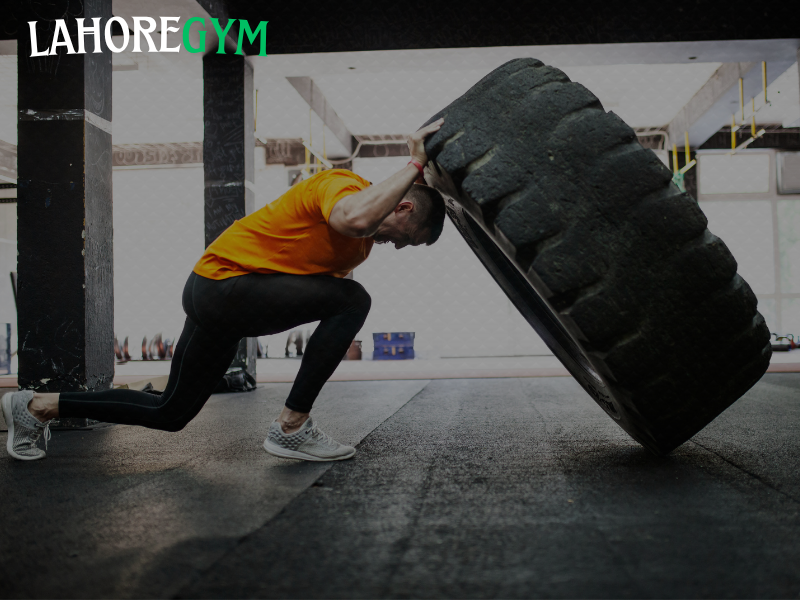
However, bodyweight training does have its limitations, particularly in the context of progressive overload, a vital principle for muscle adaptation and growth. Advanced athletes may find it challenging to continue progressing using just bodyweight methods. As the body adapts to the resistance provided by one’s mass, the opportunity for further strength gains may plateau. To counter this, individuals might need to implement variations and advanced techniques, such as one-arm push-ups or explosive movements, which can be more difficult to perform and require meticulous attention to form.
While bodyweight exercises are effective for many, those who seek continued muscle growth may find transitioning to resistance training using weights beneficial. Understanding the balance between these two modalities can help individuals choose the best approach for their strength training journey.
Weight Training: Advantages and Disadvantages
Weight training, a prominent form of resistance training, is recognized for its capacity to significantly accelerate muscle growth through controlled resistance. This training modality enables individuals to implement precise progressive overload principles, allowing for structured increases in weight, which is vital for muscle development. The control afforded by weight training facilitates the targeting of specific muscles or muscle groups, making it a preferred choice for many fitness enthusiasts.
One of the core advantages of weight training is the wide variety of equipment available, ranging from free weights such as dumbbells and kettlebells to sophisticated machines that cater to various movements. This diversity enables users to engage in isolation exercises that focus on specific muscles, enhancing muscle growth and strength in those areas. For instance, an individual can effectively target their biceps with a curl or focus on quadriceps development through leg extensions. This tailored approach allows for more effective training routes, particularly for those pursuing aesthetic goals.
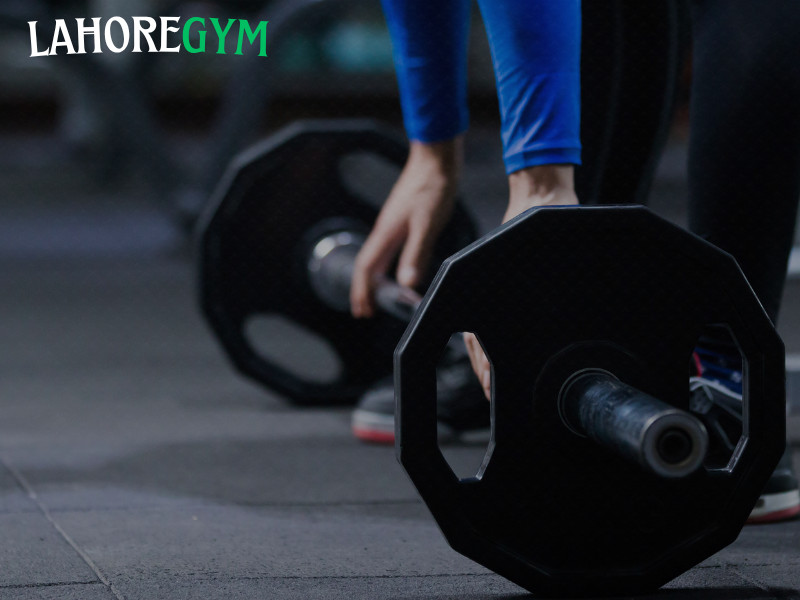
However, weight training is not without its challenges. A notable disadvantage is the inherent risk of injury, which can occur due to improper form or excessive weight. This aspect underscores the necessity for proper instruction and care, especially for beginners. Furthermore, reliance on specific equipment means that individuals need access to a gym or a well-equipped home setup, which can restrict training flexibility. For many, attaining gym membership can pose a financial burden or logistical inconvenience, particularly in densely populated areas. Additionally, weight training might not be easily modifiable for individuals with certain physical limitations, potentially leading them to seek alternative methods such as calisthenics to ensure safe and effective exercise.
In conclusion, while weight training offers significant advantages for muscle growth and strength enhancement through targeted exercises and progressive overload, it is essential to weigh these benefits against the potential risks and barriers associated with equipment reliance and injury. Understanding both sides provides a comprehensive perspective for individuals considering their fitness journey.
Which Method is Faster for Building Muscle?
When comparing bodyweight training to resistance training, numerous factors influence the speed of muscle growth. Each method has its unique advantages and drawbacks that can significantly alter how quickly an individual sees results. Bodyweight training, also known as calisthenics, relies on an individual’s own weight to build muscle, emphasizing movement quality, range of motion, and functional strength. This method can be highly beneficial for beginners, as it allows for the gradual development of strength and coordination without the need for specialized equipment.
On the other hand, resistance training with weights often leads to quicker muscle hypertrophy, especially for seasoned athletes looking to maximize their performance. The ability to progressively overload muscles with increased weights promotes an accelerated rate of strength training adaptation. Research suggests that those who incorporate weights into their routines may see more significant gains in muscle mass due to the heightened mechanical tension produced during exercises such as squats, deadlifts, and bench presses.
Anecdotal evidence from athletes reveals that the quickest progress typically occurs when both methods are integrated into a well-rounded program. For instance, a weightlifter may use calisthenics to enhance core strength and mobility, improving overall performance. Alternatively, individuals focusing predominantly on bodyweight exercises may find that occasionally incorporating weights accelerates their muscle growth. Both approaches can be tailored to align with personal fitness goals and preferences, whether striving for endurance, explosiveness, or overall body composition enhancement.
In conclusion, the determination of which method is faster for building muscle depends on individual factors including experience level, access to equipment, and personal goals. It is essential for individuals to evaluate their specific circumstances and choose a strategy that aligns with the most effective way to achieve their desired outcomes.