

So you’re wondering how long gym results actually take when you’re trying to bulk up after 40? Yeah, I know—not the sexy answer you wanted to hear, but here’s the truth: building real muscle takes time, patience, and a smart approach that doesn’t wreck your health in the process.
Why Clean Bulking is Actually a Game-Changer After 40
Let’s be real for a second. Your body at 40+ isn’t the same beast it was at 25. Your testosterone‘s probably taken a nosedive, you need way more recovery time, and if you train like a maniac, you’re basically asking for an injury. This is exactly why clean bulking isn’t just “nice to have”—it’s pretty much essential if you want results that actually stick around.
And can we talk about social media for a hot minute? Instagram and TikTok are absolutely stuffed with these ridiculous transformation photos promising you’ll look like a Greek god in six weeks. It’s total BS, and honestly, it messes with your head. The real deal? Building muscle is more like a road trip than a sprint—especially when you’re a bit older and need to think about your joints, metabolism, and just… not feeling like garbage all the time.
Clean bulking is basically the grown-up approach. Instead of eating everything in sight (we’ll get to why that’s a bad idea), you’ll go for a controlled, moderate approach that builds muscle without packing on a ton of fat. Your body will actually thank you for it.
Setting Real Expectations: How Long Does This Actually Take?
Understanding how long until gym results show up helps you stay sane and not throw in the towel after two weeks. Here’s the honest timeline when you’re doing clean bulking right:
Weeks 1-4 (The “Am I Even Making Progress?” Phase): Don’t expect to suddenly look like Chris Hemsworth. Instead, your nervous system is basically going to bootcamp, learning how to fire your muscles more efficiently. You’ll probably sleep better, have more energy, and just feel better overall. Not super exciting, but it’s important groundwork.
Months 2-3 (The “Oh Hey, Something’s Happening” Phase): This is when how long gym results take starts making visual sense. You’ll start seeing actual muscle definition and fullness, especially in the areas you’ve been hitting hard. Your shirts might fit differently. This is also where tons of people quit RIGHT before things get good—don’t be that person.
Months 4-6 (The “Okay, Now We’re Talking” Phase): By month four, you should be noticeably stronger and have way better endurance. Your physique will show clear improvements, and you’ll have solid habits locked in. Building the kind of physique that makes people do a double-take? That takes longer than six months, but hitting this milestone means you’re on the right track.
Clean Bulking vs. Dirty Bulking: Why One Sucks and One Doesn’t
Alright, let’s break down these two approaches:
Dirty Bulking is basically the “eat everything that isn’t nailed down” method. We’re talking 500-1000+ extra calories a day with zero regard for what you’re actually eating. Sure, you’ll gain weight fast—but most of it’ll be fat, not muscle. Plus, it’s rough on your heart, tanks your insulin sensitivity, and makes cutting afterward absolutely miserable. If you’re over 40? It also cranks up inflammation and can speed up the metabolic slowdown that comes with age. Not worth it.
Clean Bulking is the chill, smart approach. You eat about 200-300 calories over maintenance, focusing on actual nutritious food. You’ll build muscle while keeping fat gain minimal. The payoff? Way less time cutting later, better health markers, and you’ll look lean and strong instead of just… puffy.
Science backs this up too. Once you eat enough to support muscle growth, eating even more doesn’t magically make more muscle—you’re just storing the extra as fat. Not ideal.
Strength Training: The Foundation of Everything
Getting Those Gains: How Muscle Actually Grows
Building muscle comes down to three things: lifting progressively heavier stuff, eating right, and recovering properly. Understanding what’s happening under the hood helps you train smarter.
When you lift, you’re creating tiny tears in your muscle fibers. Your body then repairs them bigger and stronger. Ever felt super sore 1-2 days after a tough workout? That’s DOMS (Delayed Onset Muscle Soreness), and it means you challenged your muscles enough to trigger growth.
There are actually two types of muscle growth worth knowing about:
Sarcoplasmic Hypertrophy is all about increasing the fluid and energy stuff inside your muscle cells. Think moderate weights (60-75% of your max) for 8-12 reps with shorter rest. This gives you that “pumped” look.
Myofibrillar Hypertrophy builds the actual muscle fibers themselves—pure strength. This needs heavy weight (80-90% of max), lower reps (3-6), and longer rest between sets.
For the best results after 40, mix both styles but lean a bit more toward the sarcoplasmic stuff to be nicer to your joints.
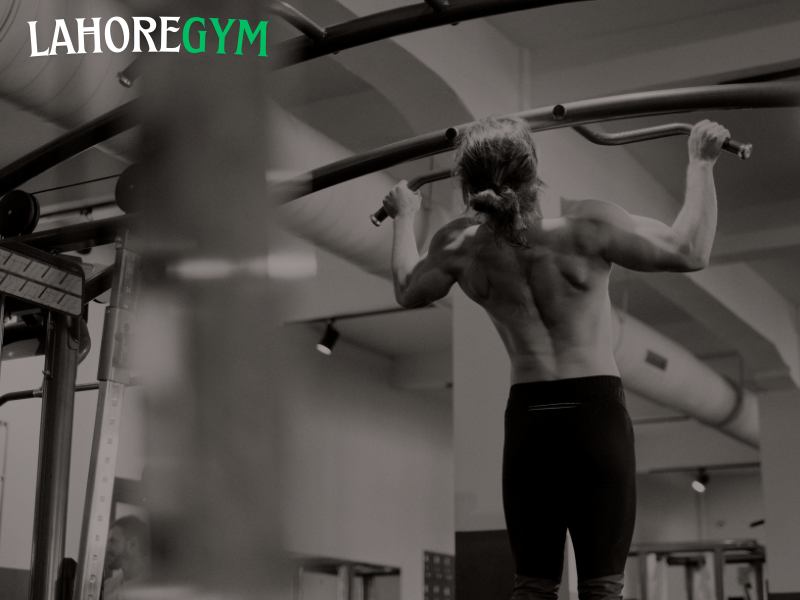
The Best Exercises for People Over 40
Compound movements are where it’s at—squats, deadlifts, bench press, rows, overhead press. These hit multiple muscle groups at once, create a solid hormonal response, and build functional strength.
But here’s the thing: after 40, you need to be a bit pickier about exercise choices. Barbell moves are still great, but you might want some joint-friendly variations:
- Trap bar deadlifts instead of regular deadlifts (way easier on your lower back)
- Landmine presses instead of overhead barbell presses
- Bulgarian split squats instead of super heavy back squats
- Incline dumbbell presses instead of flat barbell bench
Experts like Dr. John Rusin are all about “pain-free performance”—basically, pick exercises that build muscle without destroying your joints. This keeps you in the game way longer.
Rest and Recovery: Here’s something people miss all the time—your muscles don’t grow in the gym. They grow while you’re resting, especially in the 24-48 hours after training. Sleep is your secret weapon here—shoot for 7-9 hours to max out growth hormone and muscle repair. Try spreading your workouts across 4-5 days instead of cramming everything into 3 brutal sessions.
Don’t Be That Overtrained Person
Overtraining happens when you’re doing more than your body can recover from. After 40, this happens faster than it used to. Warning signs: constant tiredness, getting weaker instead of stronger, mood swings, and injuries popping up.
Give your nervous system a break by spacing out heavy lifts. Don’t deadlift heavy one day and squat heavy the next—your CNS needs recovery just like your muscles do.
Also, quick mental health check: some people get obsessed with building muscle to an unhealthy degree (called muscle dysmorphia or “bigorexia”). Keep things in perspective by focusing on getting stronger, staying functional, and being healthy—not just how you look.
Dialing In Your Nutrition for Clean Bulking
Protein: You Can’t Skip This
Protein is literally what builds your muscles. For clean bulking, aim for 25-30% of your total calories from protein, which usually works out to about 0.8-1 gram per pound of body weight. There’s some debate on the exact amount, but research shows this range works really well for people who train hard.
When you eat protein matters too. Spread it across 4-5 meals a day, with extra attention to:
- Before working out: 20-30g to fuel your training
- After working out: 30-40g within a couple hours while your muscles are primed
- Before bed: 30-40g of slow-digesting protein to feed your muscles overnight
Quality counts big time. Whey protein has the highest Biological Value, meaning your body uses it super efficiently. It absorbs fast, making it perfect post-workout. Casein digests slowly, so it’s ideal before bed for overnight muscle feeding. Real food like chicken, fish, eggs, and lean beef gives you extra nutrients beyond just protein.
Carbs and Why Insulin is Actually Your Friend
Carbs do two important things for bulking: they fuel your workouts and trigger insulin release. Insulin is actually an anabolic hormone (growth-promoting) that helps amino acids get into your muscle cells where they can do their thing.
Most of the time, stick with low-glycemic complex carbs—oats, sweet potatoes, brown rice, quinoa. These give you steady energy without the crash. But around workout time, fast carbs become your strategic weapon.
Right before, during, or after training, simple sugars like dextrose or maltodextrin quickly refill your muscle glycogen and spike insulin when your muscles are ready to soak up nutrients. This targeted timing works great without making you fat.
After 40, keeping your insulin sensitivity healthy becomes really important. Lifting weights helps with this naturally, but timing your carbs right and choosing quality sources makes it even better.
Supplements That Actually Work
Supplements won’t fix a crappy diet or training program, but a few are legit backed by tons of research:
Creatine Monohydrate is hands-down the best muscle-building supplement out there. It helps your muscles produce energy (ATP) faster, letting you squeeze out extra reps and lift heavier. It also speeds up recovery and might reduce injury risk.
Two ways to start taking it:
- Loading Phase: 20g daily (split into 4 doses) for 5-7 days, then 5g daily after that
- Just Take 5g Every Day: You’ll reach full saturation in 3-4 weeks
Both work—loading just gets you there faster. Drink plenty of water since creatine pulls water into your muscles.
Pre-Workout Stuff gives you energy and focus through caffeine and stimulants, potentially helping you train harder. But be careful with timing—taking it after 2 PM can mess up your sleep. Also watch out for artificial junk that might upset your stomach. Honestly, for guys over 40, a good cup of coffee might be all you need.
Other Useful Supplements: Omega-3s reduce inflammation and help your joints—super important when you’re older. A decent multivitamin covers your bases when you’re eating a structured diet. Vitamin D deserves special mention since being low on it tanks testosterone and recovery. Antioxidants from vitamin C, E, and stuff like green tea help manage the oxidative stress from training hard.
Building Your Credibility (If You’re Creating Content)
If you’re sharing fitness info, creating quality, science-based content establishes you as someone people can trust. Custom visuals—whether it’s infographics breaking down macros or videos showing proper exercise form—make your content stand out while actually helping people.
When you create visuals, add descriptive alt text with relevant keywords. It helps with accessibility and SEO.
Make your info easy to share. Practical advice on workouts, nutrition, and supplements naturally gets backlinks from other fitness sites and influencers looking for quality stuff to share.
Alright, Time to Actually Do This
Now you know how long gym results realistically take when you’re clean bulking after 40. It’s not Instagram-fast, but it’s sustainable, healthy, and actually works for building muscle that sticks around.
Start by figuring out your maintenance calories, then add 200-300 calories daily from quality protein, complex carbs, and healthy fats. Set up a 4-5 day lifting split focusing on compound movements at the right intensity for your age and experience. Make recovery a priority—good sleep, strategic rest days, managing stress.
Want to level up your clean bulking? Grab our Clean Bulking Meal Planning Checklist—it’s got sample meal plans, grocery lists, and macro-tracking templates made specifically for lifters over 40. This free tool takes out the guesswork and gets you moving toward your goals faster.
Remember: the best program is one you’ll actually stick with for months, not just a few weeks. Clean bulking isn’t some quick trick—it’s a lifestyle that respects your body, prioritizes health, and delivers results that keep building over time.
Share this with your gym buddies who are tired of unsustainable bulking methods and ready to build muscle the smart way. Your fitness journey deserves a strategy that’s as smart as you are.
Hey, quick note: This info is for educational purposes and shouldn’t replace advice from your doctor. Check with a healthcare provider before starting any new diet or exercise program, especially if you’ve got health issues.