

Understanding Intermittent Fasting
Intermittent fasting has surged in popularity as an effective method for achieving weight loss and improving overall health. By cycling between eating and fasting periods, individuals harness the natural processes of the body to increase fat burning and metabolism boost. This approach allows the body to tap into fat stores for energy, promoting effective fat loss without the need for complex diets.

How Does Intermittent Fasting Enhance Metabolism?
One of the key fasting benefits is its ability to activate the body’s metabolic processes. During fasting, insulin levels drop significantly, which facilitates fat burning. Additionally, the increase in growth hormone levels during fasting further promotes a metabolism boost, leading to more efficient utilization of stored fat. This hormonal environment is crucial for anyone looking to shed pounds or improve physical health.
The Impact of Intermittent Fasting on Weight Loss
1. Research has shown that intermittent fasting can lead to significant weight loss over time.
2. By adhering to this eating pattern, individuals report reduced calorie consumption without feeling deprived.
3. Furthermore, the combination of metabolic enhancement and fat-burning processes results in a sustainable approach to weight management.
4. Whether you’re looking to lose a few pounds or drastically change your body composition, intermittent fasting may provide the supportive environment you need.
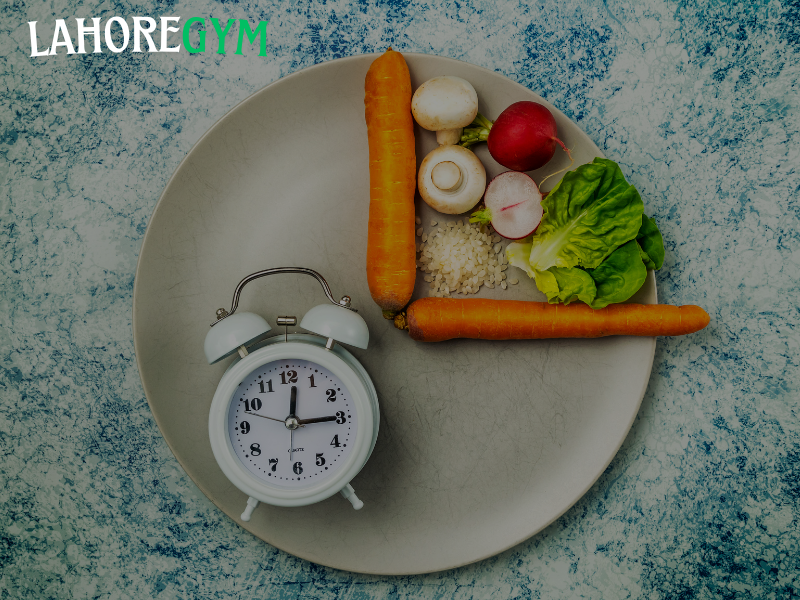
My Journey with Intermittent Fasting – Finding Balance Beyond the Scale
When I first heard about intermittent fasting, I honestly thought it was just another trendy diet that would fade away after a few months.
At that time, my eating habits were all over the place, constant snacking, late-night cravings, and that familiar guilt every time I looked in the mirror.
I wasn’t just chasing weight loss; I was chasing control and some kind of balance.
So when I decided to give intermittent fasting a try, it wasn’t from desperation but curiosity. I wanted to see what would happen if I stopped fighting food and started listening to my body instead.
The first week was rough.
I remember waking up with hunger pangs that made the mornings feel painfully long.
Skipping breakfast felt so wrong at first, but around the third or fourth day, something shifted.
My body began to adjust, and surprisingly, my energy became more stable.
That morning fog I used to feel slowly disappeared, replaced by focus and a kind of calm alertness I hadn’t felt in years.
Then I realized something important: intermittent fasting isn’t about starving yourself.
It’s more about redefining how you see food.
I stopped eating just because the clock told me to.
I ate when I was actually hungry, and food somehow tasted better that way.
I started choosing meals that nourished me instead of just filling me.
I noticed how a simple bowl of veggies and protein could lift my energy, while processed snacks just drained me.
Emotionally, it was a journey of its own.
There were days when I broke my fasting window early or gave in to cravings, and I felt guilty.
But over time, I understood that fasting isn’t a punishment, it’s a flexible lifestyle.
The goal isn’t perfection; it’s progress.
Learning to forgive myself and move on without that harsh self-talk was honestly freeing.
After a few months, the changes went deeper than I expected.
Yes, I lost some weight, but more importantly, I rebuilt my relationship with food and with myself.
I wasn’t ruled by cravings anymore.
There was this quiet discipline that came not from force, but from awareness.
If I could share one thing with anyone trying intermittent fasting, it would be this:
Don’t obsess over the numbers on the scale.
The real change happens inside, in how you think, how you eat, and how you understand your body.
Intermittent fasting taught me patience, mindfulness, and that health isn’t about restriction.
It’s about balance and learning to trust yourself again.