

So, you’ve been dealing with random skin rashes, headaches that won’t quit, or stomach issues that make zero sense? Yeah, you’re not alone. There’s this thing called histamine intolerance that more and more people are talking about, and honestly, it might be worth looking into. The low histamine diet food list has been a total lifesaver for tons of folks trying to figure out what’s up with their bodies. I’m gonna break down everything you need to know about dodging trigger foods, finding the safe stuff, and actually putting together meals that don’t suck.
Understanding Histamine Intolerance (HIT)
Okay, so what’s histamine anyway? It’s basically this chemical messenger your body uses for all sorts of stuff—immune responses, digestion, even your nervous system. Think of it like a key that fits into specific locks (called H1, H2, H3, and H4 receptors), and each one sets off different reactions in your body.
Here’s where things get interesting. Some people’s bodies just process histamine differently than others. It’s often linked to something called the DAO enzyme (don’t worry, you don’t need to memorize that). When this system’s not working quite right, histamine can build up like water backing up in a clogged drain. And yeah, that’s when things start feeling pretty rough.
Body-Wide Impact: What People Actually Experience
The wild thing about histamine intolerance? It doesn’t just mess with one part of your body—it’s like the ultimate multitasker, but in the worst way possible. Let me break down what people commonly deal with:
Skin Stuff: We’re talking hives that pop up out of nowhere (super annoying), itching that makes you want to crawl out of your skin, or your face turning red like you just ran a marathon—especially after eating.
Digestive Drama: Your stomach might feel like a balloon, you get cramps that come and go, or let’s just say… bathroom issues. A lot of people think it’s IBS or something else, which is why chatting with a doctor who gets this stuff is clutch.
Brain Fog and More: This is where it gets really frustrating. We’re talking killer headaches, feeling dizzy for no reason, anxiety that cranks up out of nowhere, and sleep that’s just… terrible. You’re exhausted but can’t sleep well? Yeah, that’s a thing.
Breathing Weirdness: Stuffy nose that never goes away, feeling like you can’t quite catch your breath—histamine loves messing with your airways.
Just a heads up: these experiences can overlap with other stuff going on, so if you’re checking multiple boxes here, definitely loop in a healthcare pro who knows their stuff.
The “YES, NO, MAYBE” Food List: Your New Best Friend
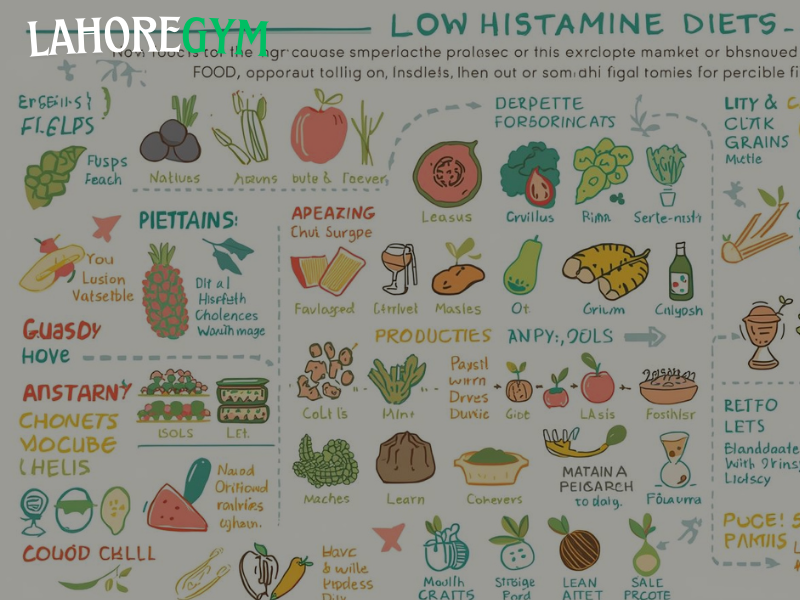
Alright, navigating low histamine foods can feel like you need a PhD at first, but trust me, it gets easier. I’m gonna break it down into three simple categories so you’re not constantly Googling “can I eat this??”
Generally Considered Lower-Histamine: The “YES” List
These are your safe zone foods—the ones you can usually count on:
Proteins: Fresh is the magic word here. We’re talking chicken, beef, and turkey that you cook right after buying. Fresh eggs (cooked all the way through) and flash-frozen wild salmon? You’re golden. Seriously though, freshness is HUGE here.
Veggies: Load up on carrots, cucumbers, zucchini, and most leafy greens (but skip spinach—it’s a troublemaker). Broccoli, cauliflower, and sweet potatoes are also in the clear.
Fruits: Apples, blueberries, mango, pomegranate, and melons are your friends. Sweet, tasty, and they won’t mess with you.
Grains: Rice (any kind), quinoa, and gluten-free oats are solid staples. Carbs that actually work for you? Yes, please.
Commonly Avoided: The “NO” List
These are the foods that usually cause problems for people exploring this diet:
Fermented Stuff: Basically, if it’s been sitting around fermenting, it’s probably a no-go. Sauerkraut, kimchi, yogurt, aged cheeses (RIP, fancy cheese boards), vinegar, soy sauce, and kombucha all make the naughty list. The fermentation process is what jacks up the histamine.
Sneaky Healthy Foods: Plot twist—some “healthy” foods are actually problems here. Tomatoes, spinach, eggplant, and avocado (I know, the avocado thing hurts) are usually avoided.
Citrus and Friends: Oranges, lemons, limes, strawberries, and bananas often cause issues for folks.
Drinks: Alcohol is usually a hard pass (it’s a party pooper in more ways than one). Black tea, green tea, and those energy drinks? Also on the skip list.
Processed Meats: Deli meat, smoked fish, canned seafood, pre-ground anything—they’re thought to build up histamine while they’re being processed and stored.
Individual Considerations: The “MAYBE” List
Here’s where it gets personal. Some foods are total wildcards—they might be fine for you but not your friend (or vice versa):
Egg whites by themselves (yolks are usually cool), certain nuts like cashews and walnuts, papaya, pineapple, and shellfish all fall into this gray area. You’ve gotta test these out yourself to see what your body’s cool with.
The “Freshness” Protocol: Why Timing is Everything
So here’s a game-changer: it’s not just WHAT you eat, it’s WHEN and HOW you eat it. The fresher your food, the better you’ll probably feel. Histamine levels can creep up as food sits around, which is why yesterday’s leftovers might hit different than when you first cooked them.
Storage Tips That Actually Matter:
Eat your food pretty soon after cooking it when you can. If you need to save stuff, throw it in the freezer ASAP instead of letting it chill in the fridge for days. When you’re ready to eat it, reheat it straight from frozen rather than letting it thaw slowly.
Skip pre-ground meat entirely (yeah, it’s annoying, but trust me). Buy whole cuts and grind them yourself right before cooking. And those leftovers? Most people following this approach don’t mess with anything older than a day or so.
How You Cook Matters Too:
Steaming and boiling are your best bets. They’re gentler and supposedly don’t create as much histamine as grilling or frying does.
Practical Application: A Sample 3-Day Meal Plan
Okay, enough theory—let’s talk actual food. Here’s what three days of eating this way could look like, and honestly? It’s pretty tasty:
Day 1:
- Breakfast: Sweet potato smoothie with coconut milk and maple syrup (sorry bananas, you’re out)
- Lunch: Turkey meatloaf muffins (use fresh ground turkey) with a crispy salad dressed with olive oil and salt
- Dinner: Instant pot chicken rice soup loaded with veggies (skip the onion if you’re really sensitive)
Day 2:
- Breakfast: Quinoa porridge topped with almonds, blueberries, and honey (basically a warm hug in a bowl)
- Lunch: Moong dal dosa (these Indian lentil crepes are amazing) with fresh coconut chutney
- Dinner: White chicken chili made with cauliflower rice and coconut cream—comfort food that won’t betray you
Day 3:
- Breakfast: Mango peach smoothie with coconut milk (tropical vibes, anyone?)
- Lunch: Rice idli (steamed rice cakes) with coconut chutney
- Dinner: Grilled fresh fish with boiled new potatoes and sautéed zucchini
Nutrients People Talk About A Lot
While you’re focusing on the low histamine diet food list, there are some nutrients that come up constantly in these conversations:
Quercetin: Found in apples and cherries, this little compound is super popular in histamine discussions. A lot of people swear by it.
Vitamin C: Comes up a ton when people talk about processing histamine. Good news: blueberries, melon, and mangoes have plenty, and they’re all on the safe list.
Other Stuff: Magnesium, zinc, and vitamin B6 get mentioned all the time too. People exploring this diet tend to pay attention to getting enough of these through their food choices.
Testing and Reintroduction: The 4-Step Game Plan
Here’s the thing—most people aren’t trying to eat like this forever. They’re just figuring out what their body’s okay with. Here’s how to do that without losing your mind:
Step 1: The Baseline Phase (4–6 weeks) Start by sticking to the “safe” foods only. Yeah, it’s a bit boring at first, but it gives your body a chance to reset and gives you a clean slate to work from.
Step 2: One Thing at a Time Add ONE new food every three days. Not two, not five—ONE. This way if something goes sideways, you know exactly what caused it. Start with the “maybe” foods before you get ambitious with the “no” list.
Step 3: Be a Detective Keep a food journal (I know, it sounds tedious, but it’s actually super helpful). Write down what you ate, when, how much, and anything weird that happens in the next few days. Patterns will start popping up that you totally wouldn’t notice otherwise.
Step 4: Reset Between Tests After trying something new, go back to your safe foods for at least a week before testing the next thing. Otherwise, you’ll have no idea what’s causing what, and that’s just frustrating.
Frequently Asked Questions
Can I still drink coffee? Ah, the million-dollar question. Coffee’s kind of in its own category. It doesn’t naturally have tons of histamine, but some people still react to it. If you’re a coffee person (no judgment—we get it), try a high-quality brand and see how you feel. Your mileage may vary.
What’s the deal with eggs? Cooked egg yolks are usually totally fine and actually pretty nutritious. The whites, especially raw or runny ones, can be iffy for some people. If fully cooked eggs work for you, awesome—keep ’em in rotation.
Are potatoes okay? Yep! Fresh potatoes get the green light in most low-histamine approaches. Just make sure they’re actually fresh—no ancient potatoes that have been hanging out in your pantry for months or anything sprouting weird things.
A Holistic Approach to Figuring This Out
Look, the low histamine diet food list is super helpful, but it’s really just one piece of the puzzle. Here’s a fun analogy: think of your body like a sink. Histamine is the water coming from different faucets—your food, your environment, stuff happening inside your body. The DAO enzyme is your drain. When the drain’s not working great or the faucets are going full blast, the sink overflows. Not fun.
This diet isn’t about turning off all the faucets forever—it’s about figuring out which ones are causing problems and maybe fixing the drain situation. A lot of people work with healthcare pros to dig into other stuff like gut health, nutrient levels, and their unique biochemistry.
The cool thing? Some people find that once they address other factors, they can actually eat more foods again without issues. The goal isn’t to live on restrictions forever—it’s to understand what works for YOUR body specifically.
By using this guide, trying out these food lists, and paying attention to freshness, you’re basically becoming your own body’s detective. Just remember: what works for your friend might not work for you, and that’s totally normal. Be patient with yourself, keep track of what’s happening, and don’t hesitate to bring in professional help when you need it. You’ve got this!
Important Disclaimer:
This content is for informational and lifestyle purposes only. It’s not intended to diagnose, treat, cure, or prevent any disease or medical condition. Everything here is about commonly discussed dietary approaches—not medical advice. Always chat with a qualified healthcare provider before making big dietary changes, especially if you’ve got existing health stuff going on. Everyone’s different, and what works for one person might not work for another. This article definitely doesn’t replace actual medical guidance or diagnosis—just think of it as a starting point for your own research and conversations with your doc!