

I. Why Your Breakfast Choice Matters
The Metabolic Hook
Okay, so think of your metabolism like a campfire. What you toss on it first thing in the morning basically decides if it’s gonna burn nice and steady all day, or if it’s gonna fizzle out by 10 AM and leave you scrounging around for donuts. A mediterranean diet breakfast isn’t just about filling your belly—it’s like hitting the reset button on your whole day.
Here’s the thing: when you ditch the sugary cereal boxes and swap them for olive oil-drizzled veggies, chickpeas, and some good whole grains, you’re basically giving yourself an upgrade. It’s like switching from dial-up to fiber optic internet for your body. Food nerds and researchers have been geeking out over this for years, and honestly? They’re onto something.
The Weight Loss Connection
So here’s where the mediterranean breakfast thing gets really cool. It totally flips the script on dieting. Instead of white-knuckling your way through hunger pangs and feeling miserable, you’re actually eating food that keeps you satisfied for hours. No joke.
The secret sauce? It’s all about the combo—olive oil adds this rich, luxurious feel, chickpeas keep you full forever, and Greek yogurt brings the protein power. They all work together like a really good band, and suddenly you’re not thinking about snacks every five minutes.
People who eat this way usually stick with it way longer than folks on those super-restrictive diets. Why? Because the food is actually good. Revolutionary concept, right?
Defining the “Authentic” Diet
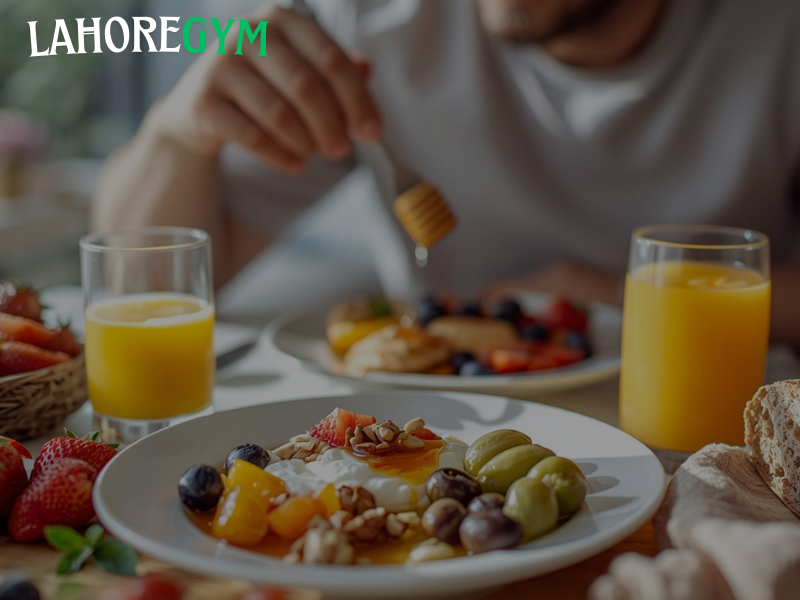
Before we jump into recipes, let me clear something up: the mediterranean style breakfast isn’t just about fancy Italian toast or those Instagram-worthy yogurt bowls (though those are great too). We’re talking about the breakfast game from 21 different countries around the Mediterranean Sea—Morocco’s spiced breads, Turkey’s veggie spreads, Lebanese chickpea dishes, Spanish tomato toast… the list goes on.
What ties them all together? Loads of plants, olive oil like it’s going out of style, a decent amount of dairy and eggs, and fish when you feel like it. Everything’s kept simple, eaten slowly (shocking, I know), and preferably with other people.
II. Core Pillars of a Mediterranean Breakfast
The “Triad” of Health
Every legit mediterranean breakfast is built on three main things that make it, well, Mediterranean:
1. Polyphenol Power: These are plant compounds that hang out in olive oil, berries, and herbs. They’re what give your food those awesome colors and that peppery kick in good olive oil. Fancy science aside, they just make everything taste better.
2. Fiber Fortress: We’re talking 25-35 grams a day here, and breakfast should knock out about 8-12 of those. That’s a lot of fiber, folks, but it comes from all the good stuff—whole grains, fruits, veggies, and beans. Your digestive system will send you a thank-you card.
3. Protein Stability: Unlike those carb-bomb breakfasts that have you crashing harder than my laptop when I open too many tabs, Mediterranean mornings pack in 20-30 grams of solid protein. Eggs, Greek yogurt, beans, fish—take your pick. You’ll actually make it to lunch without turning into a hangry monster.
Key Ingredients Checklist
Whole Grains
White bread? Nah, we’re leaving that behind. Stock up on the good stuff: bulgur wheat, whole grain pita, sourdough made from ancient grains (einkorn and spelt sound medieval, but they’re delicious), rolled oats, and quinoa. These are what Mediterranean grandmas have been using forever, and they actually taste like something.
Healthy Fats
Extra virgin olive oil is the star of the show here—use it like you mean it. We’re talking 2-3 tablespoons at breakfast, which sounds like a lot until you try it and realize it makes everything taste incredible. Mix it up with tahini, avocados, nuts (walnuts and almonds are MVPs), and seeds like chia, flax, and hemp. These fats don’t just make food taste amazing—they’re basically what makes Mediterranean food, well, Mediterranean.
Plant-Based Proteins
Chickpeas, white beans, lentils, fava beans—these guys show up everywhere in Mediterranean breakfasts. You can mash ’em, spread ’em, eat ’em whole, or blend them into the creamiest dips you’ve ever had. One cup of cooked chickpeas? That’s 15 grams of protein and 12 grams of fiber. Not too shabby.
Seasonal Produce
Mediterranean folks don’t mess around with eating what’s in season. Winter means citrus and pomegranates, summer brings tomatoes, cucumbers, and stone fruits. It keeps things interesting and means you’re always eating something different. Plus, it’s how food’s supposed to work, you know?
III. High-Protein Mediterranean Breakfasts
Overnight Quinoa Pudding
Protein: 22g | Prep Time: 5 minutes (but you gotta let it sit overnight)
Mix up ½ cup quinoa with 1 cup unsweetened almond milk, 2 tablespoons Greek yogurt, 1 tablespoon chia seeds, and a pinch of cinnamon. Stick it in the fridge before bed. In the morning, throw on some crushed walnuts, fresh figs if you can find them, and drizzle some honey on top. Boom—breakfast is done and you didn’t even have to think about it this morning. Plus, quinoa’s got all nine essential amino acids, which is fancy talk for “really good protein.”
Greek Yogurt Bowls
Protein: 25g | Prep Time: 3 minutes
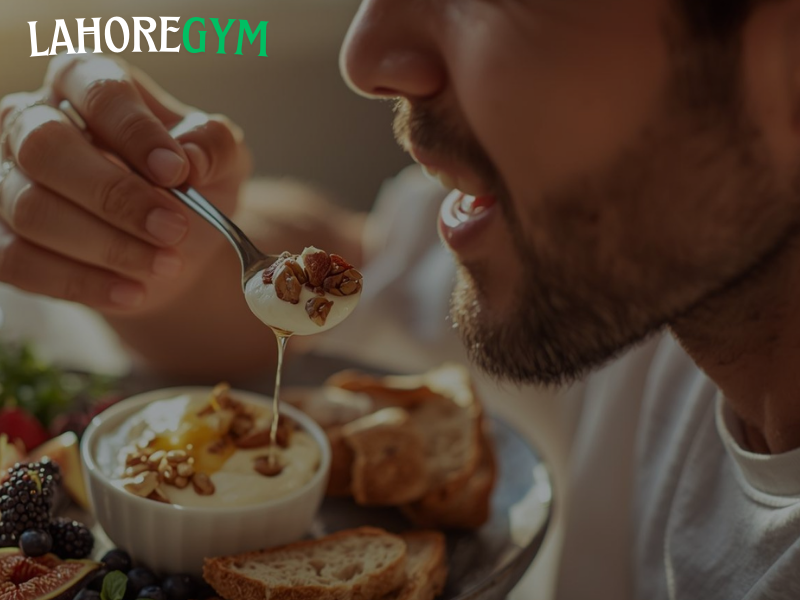
Grab 1 cup of full-fat Greek yogurt (yep, full-fat—trust me on this one). Layer it with sliced cucumber, cherry tomatoes, Kalamata olives, a sprinkle of zaatar, and 1 tablespoon of extra virgin olive oil. I know, I know—savory yogurt sounds weird if you’re used to the sweet stuff. But this is how they do it in Turkey and Lebanon, and once you try it, you’ll get why. Plus, 25 grams of protein? That’s more than three eggs.
Ricotta & Smoked Salmon Toast
Protein: 28g | Prep Time: 5 minutes
Spread ¼ cup fresh ricotta on toasted whole grain sourdough. Pile on 3 ounces of wild-caught smoked salmon (the good stuff), some capers, thinly sliced red onion, and fresh dill. Finish with lemon zest and cracked black pepper. It’s basically a fancy bagel situation, but Mediterranean-style. And those omega-3s in salmon? That’s why people in coastal Mediterranean towns have been obsessed with this fish forever.
Egg Muffins with Sweet Potato
Protein: 18g | Prep Time: 30 minutes (makes 12, so you’re set for days)
Whisk together 10 eggs with ½ cup crumbled feta, 1 cup grated sweet potato, ½ cup chopped spinach, and some diced sun-dried tomatoes. Pour into muffin tins and bake at 350°F for 20-25 minutes. These little guys last in the fridge for five days, which means you can grab breakfast on your way out the door without thinking. The sweet potatoes add this natural sweetness that totally works with the savory stuff.
IV. Savory & Traditional Gems
Shakshuka
Protein: 16g | Prep Time: 25 minutes
This North African dish is basically Mediterranean breakfast royalty at this point. Simmer crushed tomatoes with cumin, paprika, and bell peppers until it’s nice and thick. Make little wells in the sauce and crack 4-6 eggs right in there. Cover it up and cook until the whites are set but the yolks are still runny (this is key). Toss on some fresh cilantro and crumbled feta. Serve with warm pita for scooping. The cooked tomatoes get this deep red color and rich flavor, especially when you use good olive oil.
Foul Muddamas
Protein: 14g | Prep Time: 15 minutes
Egypt’s national breakfast, and honestly, the rest of the world is missing out. Simmer canned fava beans with minced garlic, cumin, and lemon juice until everything’s creamy. Mash it up a bit (doesn’t have to be smooth), make a little well in the middle, and fill it with olive oil. Top with chopped parsley, diced tomatoes, and a hard-boiled egg. Eat it with warm pita. This humble bean dish shows you why Mediterranean folks are obsessed with legumes for breakfast.
Turkish Breakfast Plate (Kahvaltı)
Protein: 20g | Prep Time: 15 minutes
Alright, this is where things get fun. Lay out a whole spread: sliced tomatoes and cucumbers, crumbled white cheese, Kalamata olives, sliced hard-boiled egg, fig jam, tahini, honey, and whole grain bread. Make some Turkish tea if you’re feeling fancy. The whole point of this mediterranean style breakfast is that everyone shares—you’re passing dishes around, taking your time, actually talking to people. Breakfast becomes an event instead of something you shovel in while checking your phone.
Avocado & Kale Omelet
Protein: 24g | Prep Time: 10 minutes
Whisk up 3 eggs with some salt and pepper. Sauté chopped kale in olive oil until it wilts down, then pour the eggs over it. Add sliced avocado and some crumbled goat cheese. Fold it over and serve with whole grain toast. The kale gives you that earthy flavor, and avocado adds this creamy richness. Plus, avocados have more potassium than bananas—fun fact for your next trivia night.
V. 10-Minute Anti-Inflammatory Smoothies & Quick Bites
Blueberry-Peach Chia Seed Smoothie
Protein: 15g | Prep Time: 5 minutes
Toss 1 cup frozen blueberries, 1 fresh peach, ½ cup Greek yogurt, 2 tablespoons chia seeds, 1 tablespoon almond butter, and 1 cup unsweetened almond milk into a blender. Sneak in a handful of spinach—I promise you won’t taste it. Blueberries are famous for that deep color and sweet-tart punch, which is why they show up in so many Mediterranean-inspired smoothies.
Anti-Inflammatory Lemon-Blueberry Smoothie
Protein: 18g | Prep Time: 5 minutes
Blend up 1 cup frozen blueberries, juice from 1 lemon, 1 cup Greek yogurt, 1 tablespoon flaxseed, ½ teaspoon turmeric, a pinch of black pepper (it makes the turmeric work better), and honey to taste. This golden drink has that warm, earthy turmeric flavor that’s gotten super popular lately. It’s basically sunshine in a glass.
Hummus and Sprouts Toast
Protein: 12g | Prep Time: 3 minutes
Spread 3 tablespoons of hummus on toasted whole grain bread. Pile on alfalfa or broccoli sprouts, sliced radishes, squeeze some lemon over it, sprinkle with za’atar, and drizzle with olive oil. The sprouts add this fresh, crunchy texture that makes the whole thing feel way fancier than it actually is. Perfect for when you want something healthy but don’t want to try that hard.
VI. Beyond the Plate: The Mediterranean Lifestyle
The Power of Social Eating
Here’s something cool: people in Mediterranean countries almost never eat alone. Greek families sharing breakfast, Lebanese friends passing around mezze—it’s always a group thing. And this isn’t just nice, it’s actually central to how they think about meals.
Eating with other people naturally makes you slow down and enjoy your food more. It turns eating into something meaningful instead of just fuel you’re cramming in between meetings.
Try this: have breakfast “dates” with your family or roommates twice a week. Even just 15 minutes. Put the phones away, maybe light a candle, and actually treat breakfast like it matters.
Cooking Methods Matter
Mediterranean cooking keeps things pretty chill—sautéing in olive oil, poaching eggs, slow-simmering beans, keeping stuff fresh. You won’t see a lot of deep frying or crazy high-heat cooking. When they do crank up the heat, they throw in herbs like rosemary and oregano, which aren’t just for flavor—they’re part of what makes Mediterranean food taste like Mediterranean food.
Fasting Rituals
A lot of Mediterranean cultures do this natural fasting thing without even thinking about it. Breakfast around 9-10 AM, dinner wraps up by 8 PM—boom, you’ve got a 13-14 hour overnight gap. It’s just how they’ve been doing things forever, not some trendy diet hack.
The “Siesta” Secret
Okay, this isn’t strictly about breakfast, but hear me out. That Mediterranean afternoon nap? It’s legit. Even just 20 minutes makes a difference. Mediterranean folks have built rest into their daily routine like it’s non-negotiable, and honestly? We should all steal that idea.
VII. Expert Shopping List & Pantry Staples
Frozen Essentials
Your freezer should have these lifesavers: frozen wild blueberries (often picked at peak ripeness, so they’re actually better than “fresh” ones that’ve been sitting around), artichoke hearts, fava beans, spinach, and wild-caught fish. These make whipping up a mediterranean diet breakfast possible even when you’re running late and haven’t been to the store in a week.
The Herb Kit
Fresh herbs are total game-changers: parsley (it’s not just decoration!), mint (so refreshing), dill (amazing with eggs and fish), cilantro (you either love it or think it tastes like soap—no in-between), oregano (earthy and robust), and basil (sweet and aromatic). Pro tip: buy the living herbs in little pots and keep them on your windowsill. They last way longer and you’ll actually use them.
The Fat Rule
Your go-to fat should always be extra virgin olive oil. Look for dark glass bottles with harvest dates—fancy single-estate stuff if you can swing it. Keep tahini around too (nutty and amazing), avocado oil for when you need higher heat, and a stash of raw nuts and seeds.
Here’s the simple rule: every breakfast needs at least one tablespoon of healthy fat. That’s it. That’s what makes everything taste good and keeps you satisfied.
VIII. Frequently Asked Questions
Can I eat meat for breakfast?
Traditional Mediterranean breakfasts don’t really do red meat, but eggs and fish (especially smoked or cured) are totally fair game. You’ll sometimes see cured meats like prosciutto, but just a little bit. The whole vibe is plants first, with animal protein as a sidekick rather than the main character. If you’re gonna add meat, go for high-quality stuff and load up on vegetables to balance it out.
What if I don’t like sardines?
Look, sardines are a Mediterranean staple and they’re packed with omega-3s and flavor, but I get it—they’re not for everyone. Swap them out for wild-caught salmon, mackerel, or anchovies (which are way milder than you think). If you want to keep it plant-based, chia seeds, flaxseeds, and walnuts have omega-3s too. The key is finding stuff you’ll actually eat regularly, not forcing down foods you hate.
Is oatmeal allowed?
Absolutely! Steel-cut oats totally fit into the Mediterranean breakfast world. You can go savory with olive oil, herbs, and a poached egg on top, or classic with nuts, fruit, and honey. Just skip the instant packets with all the added sugar. Properly cooked oats have this creamy, nutty thing going on that makes them legitimately satisfying.
Your Breakfast Blueprint: Practical Integration
Think of getting into the mediterranean breakfast groove like learning a new language—start with the basics and build from there. Week one, just swap your usual breakfast for Greek yogurt with fruit and nuts. Super simple. Week two, try something savory like shakshuka. By week three, experiment with the overnight stuff that makes your mornings easier.
The Mediterranean diet isn’t some rigid rulebook with a million restrictions. It’s more like a flexible guideline that celebrates good food and the role it plays in daily life. Your breakfast table can become this daily ritual where you actually enjoy what you’re eating and honor traditions from these amazing coastal communities that have been doing this for thousands of years.
With these 25+ recipes and tips, you’ve got everything you need to turn breakfast into something genuinely awesome. Mediterranean-style awesome, to be specific, with all the flavor and none of the guilt.
Start tomorrow morning. Future you—the one who’s energized and actually enjoying breakfast—is gonna be really happy you did.
This content is for informational and lifestyle purposes only.