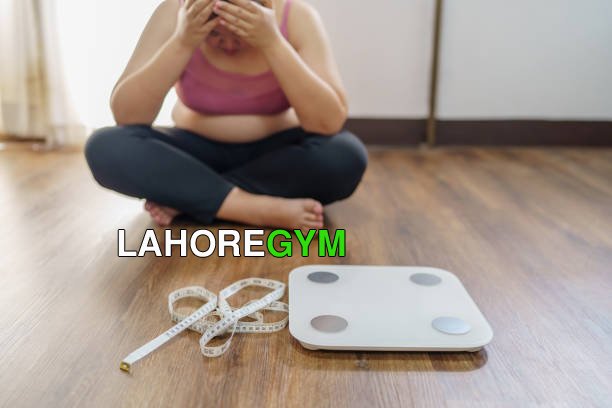
Here’s something I didn’t want to admit. For months, I was killing myself with home workouts. Squats, planks, burpees, even some late-night jumping jacks in my living room. But the scale wouldn’t budge. Then one random night, lying awake at 2 a.m. in my Vegas apartment, it hit me—maybe it wasn’t the workouts. Maybe it was the fact that I was running on four hours of sleep and stressed out of my mind.
Turns out, sleep and stress aren’t side players. They’re the directors calling the shots in your fat loss story.
Why Sleep Matters for Weight Loss
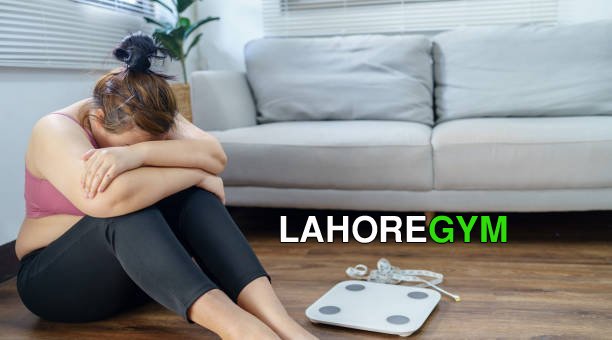
Sleep isn’t just “rest.” It’s when your body repairs, balances hormones, and decides how tomorrow’s energy is going to be used.
When you skip sleep, two things happen:
- Ghrelin spikes – that’s the hormone that makes you hungry.
- Leptin drops – that’s the hormone that tells you to stop eating.
So basically, less sleep = hungrier you + zero brakes. I remember one week pulling three late nights in a row. By day four, I was inhaling chips at 10 a.m. My body wasn’t craving junk because I was weak—it was literally running on messed-up signals.
Keyword note: Better sleep for fat burning is not optional—it’s the foundation.
Stress and Fat Gain: The Sneaky Culprit
Stress feels invisible. It doesn’t make noise like a growling stomach. But it wrecks your fat loss.
Why? Cortisol. It’s the stress hormone your body pumps out when life feels like too much. Short bursts are fine—like when you sprint. But constant stress? That’s when trouble starts.
Cortisol tells your body to store fat, especially around the belly. It also makes you crave “quick energy” foods—hello, cookies and soda.
I had a rough month once—work pressure, bills piling up, barely sleeping. Even though I worked out five times a week at home, I actually gained weight. That was stress doing its thing.
Home Life: Where Sleep and Stress Collide

The weird thing about working out at home is you don’t get that “gym escape.” Your dumbbells sit in the same room where you argue with your partner, pay bills, or binge-watch TV. Stress follows you around.
Add in late-night scrolling, Netflix binges, or just the Vegas nightlife throwing your sleep schedule off, and boom—you’ve got the perfect storm against weight loss.
How to Sleep Better Without Overthinking It
You don’t need a $2,000 mattress or some lavender-scented sleep pod. A few real steps can flip the switch:
- Set a bedtime routine. I know, sounds childish, but it works. I dim the lights, shut down my phone, and stretch a bit before bed. My body now expects sleep around 11.
- Cool the room. Vegas nights are hot. I finally invested in a cheap fan—game changer.
- No caffeine after 3 p.m. Took me forever to learn this. Even a late soda kept me wired.
- Get up at the same time daily. Weekends too. Trust me, it pays off.
Sleep isn’t about perfection. Even adding one more hour a night can help your body shift into fat-burning mode.
Managing Stress at Home
Look, stress isn’t going away. Life’s messy. But you can lower the volume a bit.
- Breathing breaks. Two minutes of slow breaths in the middle of the day resets me more than another coffee ever did.
- Move around. Not a full workout—just pacing, stretching, even shaking out your arms. Gets cortisol down.
- Talk it out. I called a buddy last week, ranted about nonsense, and felt lighter after. That counts.
- Cut doomscrolling. Honestly, social media late at night was frying my nerves more than I realized.
These aren’t “perfect hacks.” But they’re human. Doable. And each one helps your body calm down enough to stop clinging to fat.
The Hidden Connection: Why Sleep + Stress Control = Fat Loss
Let me lay it out simply.
- No sleep → more hunger → more cravings.
- High stress → higher cortisol → more belly fat.
- Both together → stalled weight loss, even if you’re exercising daily.
On the flip side:

- Good sleep = balanced hunger hormones, better workouts.
- Lower stress = more consistent energy, fewer junk cravings.
It’s not sexy, but this is how you lose weight at home naturally.
A Night in Vegas That Changed My Perspective
One story sticks. I’d been up working late, stressed about bills, then tried to crush a 6 a.m. workout. I was exhausted, cranky, and half-heartedly going through push-ups. At some point, I just sat on the mat and thought, “What’s the point?”
That night, I forced myself to skip TV, lights out by 11. Slept 8 hours straight. The next morning, the same workout felt easier, my mood was lighter, and I actually finished strong. That’s when I stopped ignoring sleep. It wasn’t motivation I needed—it was recovery.
Quick Wins for Home Fat Loss Through Sleep + Stress
- Aim for 7–9 hours of sleep most nights. Even 6 is better than 4.
- Keep workouts in the morning or afternoon to help your body wind down at night.
- Drink water through the day—hydration helps sleep too.
- Find one small stress relief practice you can stick with (journaling, music, even cooking).
Consistency beats perfection. You don’t need monk-level calm. Just steady steps that add up.
Final Thoughts
People obsess over calories, macros, and the newest ab workout, but ignore the basics. Sleep and stress are the quiet forces shaping your body every single day.
You can plank until your arms give out, but if you’re sleeping four hours and stressing nonstop, the fat won’t move. Fix the foundation first.
Honestly, I wish I’d learned this sooner. Could’ve saved myself months of frustration. But hey—better late than never.