

Understanding the Basics of Gym Workouts
Embarking on a workout journey at the gym necessitates a clear understanding of fundamental principles that govern effective training. One of the key elements to consider is the establishment of specific fitness goals. Whether aiming for weight loss, muscle gain, or overall fitness improvement, having defined objectives provides direction and motivation throughout the workout regimen. Without clear goals, individuals may find themselves aimlessly engaging in exercises, which can diminish results and enthusiasm.

Equally important is the implementation of proper warm-up and cool-down routines. A comprehensive warm-up minimizes the risk of injury by preparing the body for the rigors of the workout. This might include light cardio and dynamic stretches to boost blood flow to the muscles. Conversely, a cool-down period, consisting of static stretches, aids in recovery and enhances flexibility, thereby supporting the durability of your fitness progress. These practices are essential for anyone new to the gym environment, as they enhance both safety and performance.
Nutrition and hydration also play pivotal roles in achieving fitness goals. A balanced diet tailored to one’s workout plan is vital for fueling the body and enabling effective recovery. Proper hydration ensures optimal performance during workouts, enhancing endurance and concentration. Beginners should educate themselves about nutrition basics, which can significantly influence results and general well-being.
Familiarizing oneself with essential gym terminology and equipment is critical for navigating the fitness landscape confidently. Common terms include sets, reps, and resistance training, while knowledge of various machines and free weights can enhance workout effectiveness. Understanding these elements will lead to increased comfort and competence at the gym, setting the stage for successful training outcomes.
Crafting a Beginner-Friendly Workout Plan
Creating a structured workout plan tailored for beginners is essential for setting up a successful fitness journey. A balanced routine should incorporate cardiovascular exercises, strength training, and flexibility work to ensure overall development and cater to various fitness goals. When designing the best beginner workout plan, it is advisable to begin with three to four workout days per week, allowing adequate recovery time between sessions.
The first component of the workout plan is cardiovascular exercises, which are vital for improving heart health and stamina. Beginners may start with 20 to 30 minutes of brisk walking, cycling, or swimming. These activities can be easily adjusted in terms of intensity as endurance builds over time. Incorporating these workouts at the beginning of a session or on alternate days will help maintain a good balance between strength training and cardio.
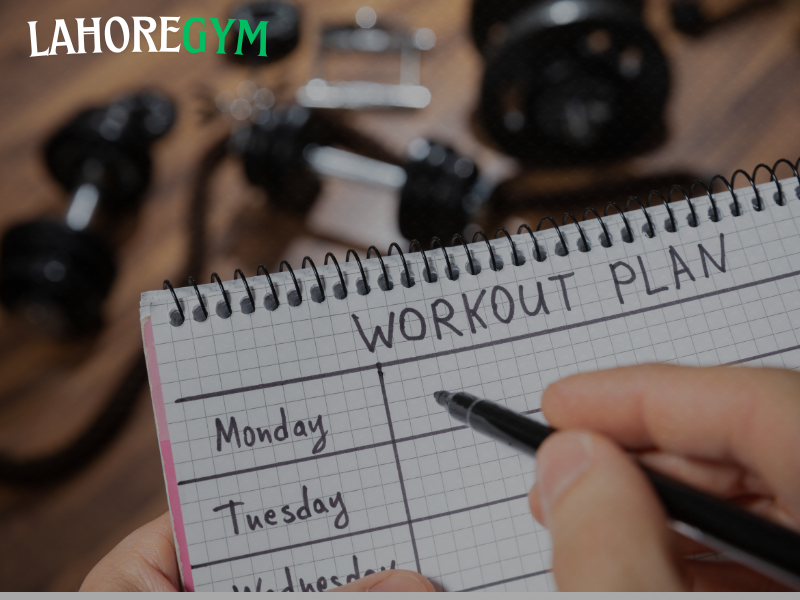
Next, strength training should be carefully integrated into the weekly schedule. A great starting point would be full-body workouts twice a week. This allows beginners to focus on essential muscle groups without overloading their bodies. Key exercises may include bodyweight squats, push-ups, and dumbbell rows, targeting the major muscles effectively. As the individual progresses, they can alternate between full-body workouts and split routines, dedicate specific days to upper and lower body workouts, and increase weights to elevate the intensity.
Flexibility workouts, such as yoga or stretching sessions, should be included at least once a week to aid in recovery, improve mobility, and enhance muscle function. The variety within the plan prevents boredom and encourages sustained participation. It is crucial for beginners to listen to their bodies and gradually increase the intensity of their workouts as they become more comfortable and knowledgeable in the gym environment.
Tips for Staying Motivated and Overcoming Obstacles
Embarking on a gym journey can be both exhilarating and daunting for beginners. It is essential to stay motivated and effectively address the common obstacles that may arise. One of the most critical steps to sustaining motivation is to set realistic goals. Break down your ultimate fitness objectives into smaller, measurable targets that can be achieved within shorter time frames. This approach not only provides a clear workout plan but also allows for regular achievement of milestones, keeping motivation high.
Time management can be a significant barrier for many aspiring gym-goers. To combat this challenge, schedule your workouts like any other important appointment. Designate specific days and times for training, ensuring that these sessions become a non-negotiable part of your weekly routine. By prioritizing your gym commitment, you will cultivate a disciplined mindset that can be very beneficial in overcoming time-related obstacles.
Self-doubt and feelings of intimidation in the gym are common experiences among newcomers. To counteract these sentiments, consider finding a workout buddy. Exercising with a companion not only makes routines more enjoyable but also provides support and encouragement. Sharing your workout plan with a friend can lead to mutual accountability, encouraging both individuals to persevere through challenging moments.
Additionally, celebrating small victories is a crucial strategy for maintaining momentum. Acknowledge your progress, no matter how minor, as each step contributes to your overall fitness journey. Creating a positive workout environment matters as well; surrounding yourself with uplifting influences can greatly enhance your gym experience. Incorporating enjoyable activities into your routine makes it easier to sustain long-term commitment and fosters a more rewarding workout regimen.
Staying motivated is a multifaceted endeavor, but with the right strategies and support, beginners can successfully navigate their fitness journey and enjoy the rewards that come with dedication and perseverance.
Safety Considerations and Best Practices
When embarking on a new gym journey, particularly as a beginner, prioritizing safety is essential. Understanding and applying proper form and technique during workouts is crucial for minimizing the risk of injury. Incorrect execution of exercises can lead to strain or damage to muscles, tendons, and joints, which might hinder progress or necessitate a lengthy recovery period. Therefore, investing time to learn the correct movements, including appropriate alignment and muscle engagement, is highly recommended. Resources such as personal trainers can provide valuable guidance, ensuring that beginners develop habits that promote long-term fitness and health.
In addition to learning exercise technique, it is vital for beginners to listen to their bodies. This means recognizing signs of fatigue and adjusting workout intensity accordingly. Pushing through discomfort, especially pain, can lead to injuries, and beginners should not hesitate to modify exercises or take breaks as needed. Adequate recovery time is also a significant component of a successful workout plan; muscles need time to repair and grow stronger after exercise. Incorporating rest days into a workout schedule will facilitate this recovery and ultimately lead to improved performance.
Moreover, understanding gym etiquette is essential for fostering a respectful and enjoyable environment for all gym-goers. Basic practices include wiping down equipment after use, returning weights and accessories to their rightful place, and being mindful of personal space while sharing the gym with others. Respecting these shared spaces not only enhances the overall experience for everyone involved but can also help establish a positive community atmosphere. By adhering to these safety considerations and best practices, beginners can ensure that their journey toward fitness is both effective and safe.