

Understanding Protein and Its Functions
Protein sits at the core of almost everything the body does. It’s built from chains of amino acids, and those chains help keep countless internal processes running smoothly—repairing muscles after physical strain, supporting the immune system, and helping the body produce hormones. Because the body can’t store protein the way it stores fats or carbohydrates, getting enough of it through daily meals is essential for maintaining healthy metabolic function.
Muscles rely heavily on protein. When the body gets the protein it needs, muscle tissue stays stronger and more resilient. This becomes especially important for anyone trying to lose weight. Muscle mass has a direct effect on metabolism; the more muscle a person maintains, the more calories the body naturally burns—even during rest. That’s why a diet rich in protein can be a cornerstone of effective weight-loss plans. It not only helps protect muscle but also supports a faster, steadier metabolic rate.
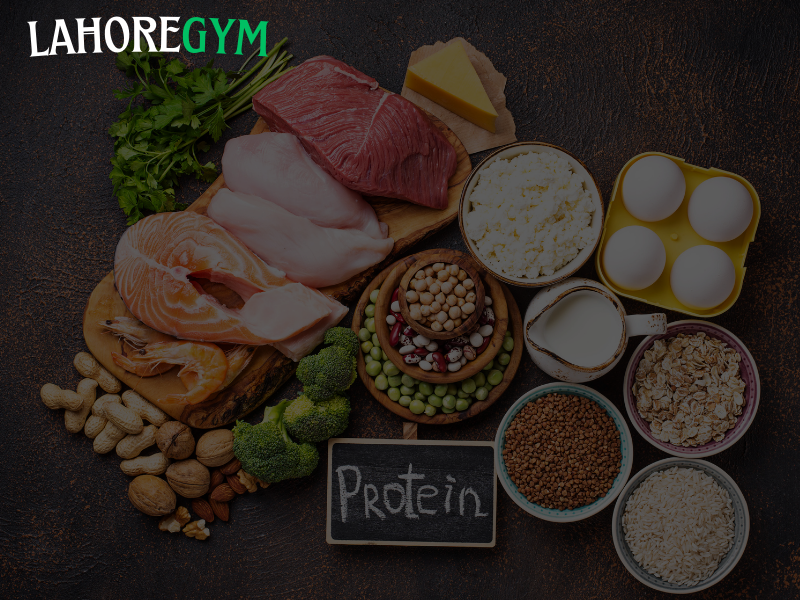
Protein comes from different sources. Animal proteins—like meat, dairy, or eggs—are considered “complete” because they contain all nine essential amino acids. Most plant-based proteins don’t offer the full set on their own, but mixing different plant sources throughout the day can easily create a complete amino acid profile. This makes plant proteins just as valuable when included thoughtfully in a balanced diet.
Getting enough protein does more than preserve muscle. It also helps control appetite by keeping you full for longer periods, which naturally reduces how much you eat. When understood and used properly, protein becomes a powerful tool for improving overall health and making weight loss both achievable and sustainable.
The Science Behind Protein and Weight Loss
Research over the years has shown a strong link between higher protein intake and successful weight loss. One of the main reasons is satiety. Meals rich in protein keep hunger at bay for longer, making it easier to eat fewer calories without feeling like you’re restricting yourself.
Protein also has a unique energy-burning effect. The body uses more calories to digest and process protein than it does for fats or carbohydrates. This increased calorie burn—often referred to as the thermic effect—gives metabolism a natural lift. While it’s not a magic switch, it definitely contributes to a more efficient calorie-burning process throughout the day.
Another key benefit is muscle preservation. Cutting calories can cause the body to lose both fat and muscle, and losing muscle slows metabolism. Boosting protein intake helps prevent this decline. Because muscle requires more energy to maintain than fat, holding onto it allows your metabolism to stay active even during weight loss phases.
All of this creates a strong scientific foundation for the role of protein in weight management. It helps control appetite, increases calorie expenditure, and protects muscle—three factors that make weight loss more effective and easier to sustain.
Practical Tips for Adding More Protein to Your Diet
If you’re aiming to increase your protein intake, a little planning can make the process much simpler. Start by organizing your meals for the week and making sure each one includes a reliable source of protein. Lean meats, fish, dairy, legumes, nuts, and seeds are all excellent choices and can easily fit into a balanced diet.
A helpful target is around 20–30 grams of protein per meal. Hitting this range supports fullness and provides your muscles with what they need. Smaller plates and bowls can help with portion control without making meals feel restricted.
Breakfast could include eggs or Greek yogurt paired with fruit and whole grains. A midday meal might be a quinoa bowl loaded with vegetables and beans. Dinner could be something straightforward like grilled chicken or fish with vegetables and a side of lentils or chickpeas. Even snacks can contribute—options like cottage cheese, hummus with veggies, or a protein bar work well when you’re in a rush.
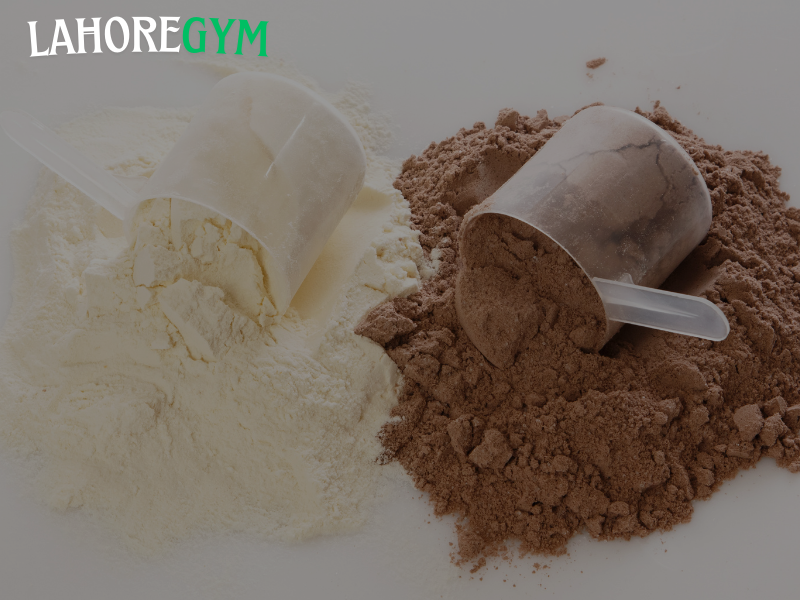
If meeting your protein needs through food alone feels challenging, protein powders—whether whey or plant-based—can fill the gap. They blend easily into smoothies, oatmeal, and even baked goods. Just remember that balance matters; protein works best when it’s paired with healthy fats and complex carbohydrates.
With a bit of consistency, adding more protein becomes second nature and sets the foundation for healthy, steady weight loss.
Potential Downsides and What to Keep in Mind
A higher-protein diet offers many benefits, but it’s not without considerations. Eating more protein than your body needs can create issues—especially for people with kidney problems. Because the kidneys process protein by-products, increasing protein intake without medical guidance can strain them. Anyone with kidney concerns should discuss dietary changes with a healthcare professional first.
There’s also the risk of nutritional imbalance. Focusing too heavily on protein while overlooking fruits, vegetables, and whole grains can leave gaps in essential vitamins, minerals, and fiber. A diet that leans too far in one direction may undermine overall health despite good intentions.
People with specific health needs—such as diabetes—should be especially careful. Protein affects blood sugar differently depending on what it’s paired with. A well-structured meal plan that takes the whole picture into account is important to avoid unintended fluctuations.
In the end, protein plays a significant role in healthy weight loss, but it works best within a balanced, individualized approach. Understanding your own needs and, when necessary, getting guidance from a professional can help ensure long-term success and overall well-being.
When I first started trying to lose weight, I didn’t think much about protein. I believed weight loss was all about cutting calories and pushing myself harder in the gym. It never occurred to me that the type of food I was eating mattered just as much—if not more—than the total number of calories. I remember feeling frustrated because no matter how disciplined I was with my meals or how consistent I stayed with my workouts, my progress was slow. A trainer I spoke to casually mentioned that I might not be getting enough protein, and at the time, I didn’t take it seriously. But the more I thought about it, the more it made sense—especially when I realized how often I felt tired, hungry, and mentally drained.
I decided to experiment and gradually increase my protein intake. I didn’t overhaul my diet overnight; I just added small things at first: an extra egg at breakfast, yogurt with nuts as a snack, or chicken instead of pasta-heavy lunches. I honestly didn’t expect anything dramatic to change, but within a couple of weeks, I noticed something different. I felt fuller for longer, and those late-night cravings that used to haunt me slowly disappeared. I wasn’t constantly thinking about food anymore, and that alone made my days feel lighter and easier to manage.
Once I started paying attention, the changes became even more obvious. My energy levels were more stable throughout the day, and my workouts improved. Before increasing my protein, I would feel sore for days after a simple training session. But with more protein in my meals, the recovery time shortened noticeably. I felt stronger and more capable, which motivated me to stay consistent.
One of the biggest lessons I learned is that protein isn’t just for “building muscle”—it plays a huge role in controlling appetite and maintaining steady energy. For example, I used to feel sleepy and unfocused after lunch, but when I made sure my midday meal included around 25–30 grams of protein, that afternoon slump almost disappeared. I could work longer without feeling like I needed a nap or another cup of coffee.
Of course, I also made mistakes along the way. There was a period when I tried eating too much protein because I thought “more is better,” but it only made my digestion uncomfortable and left me feeling heavy. That experience taught me the importance of balance. Increasing protein helped me tremendously, but it worked best when I paired it with fiber-rich carbs and healthy fats instead of focusing on protein alone.
If I were to give advice to anyone trying to improve their health or lose weight, I’d tell them to start small. You don’t need supplements or complicated meal plans. Simple foods like eggs, Greek yogurt, beans, lentils, cottage cheese, tuna, chicken, or nuts can make a big difference. Experiment with adding protein to each meal and pay attention to how your body responds. Notice your hunger, your energy, and even your mood. These small observations can teach you more about your body than any diet rule ever will.
Looking back, increasing my protein intake was one of the most important steps in my weight-loss journey. It helped me stay full, recover faster, and maintain a healthier metabolism without feeling like I was depriving myself. More importantly, it taught me that sustainable change comes from paying attention to how your body feels, not from chasing quick fixes. Protein became a foundation in my daily routine, not because a guide told me to eat it, but because I experienced firsthand how much better my body functions with it.