

So you’ve been googling around trying to figure out what is mediterranean food, right? Well, buckle up, because you’re about to discover something way better than just another diet trend that’ll have you eating nothing but celery sticks by day three.
Here’s the deal: the Mediterranean lifestyle isn’t some newfangled Instagram fad. We’re talking about how people have been eating (and living!) for literally thousands of years around countries like Greece, Italy, Spain, and Southern France. These folks figured out the secret to enjoying food without the guilt trip that comes with most “healthy eating” plans.
Picture this: loads of fresh veggies, juicy tomatoes, creamy olive oil, crusty bread, grilled fish, and yes—even wine if that’s your thing. It’s basically the opposite of those diets that make you miserable and hangry. The best part? Health experts keep ranking it as the top lifestyle year after year, and it’s still going strong in 2025.
In this guide, I’m gonna walk you through everything you need to know about going Mediterranean—from what actually goes on your plate to how you can start today without overhauling your entire life. Trust me, this is one lifestyle change you’ll actually want to stick with.
Greek vs. Mediterranean Food
Okay, let’s clear up some confusion here. A lot of people wonder if Greek food and Mediterranean food are basically the same thing. Short answer? Not exactly, but they’re definitely cousins.
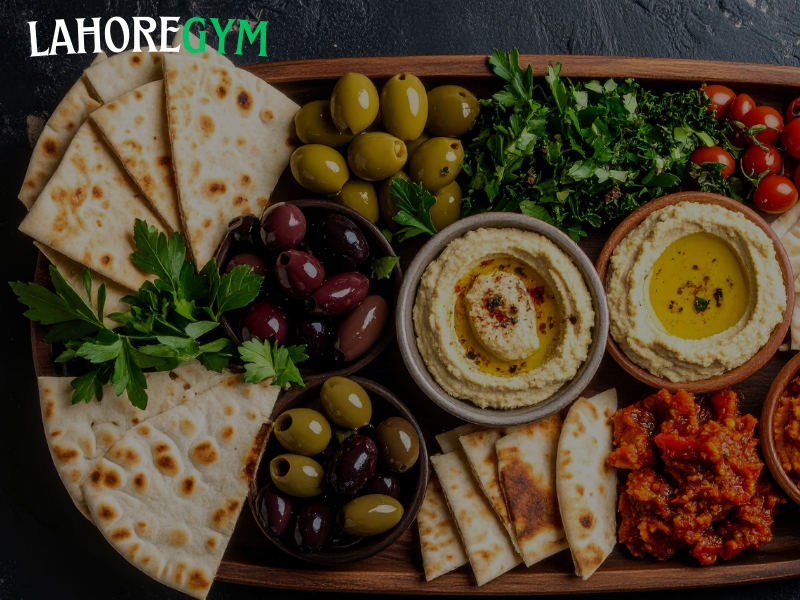
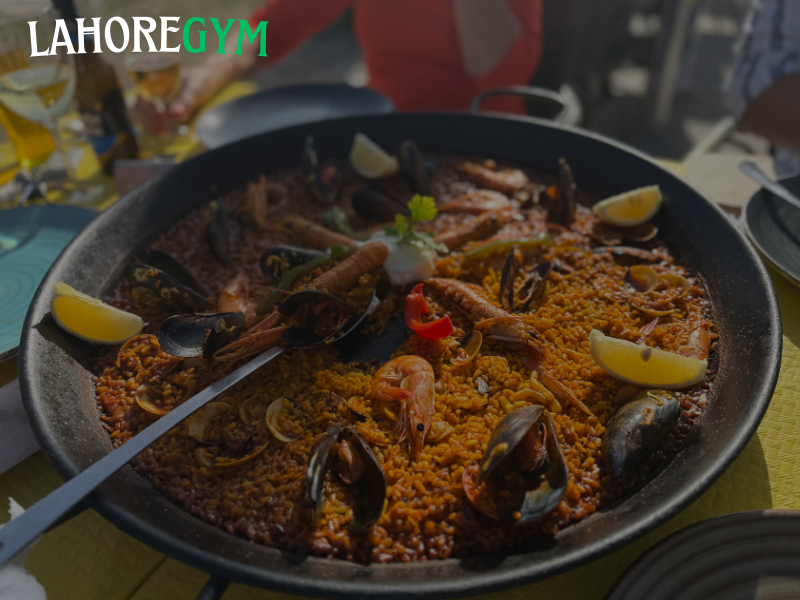
When we talk about what is mediterranean food, we’re casting a pretty wide net. We’re talking about food from like 16 different countries that all border the Mediterranean Sea. Greek food is definitely part of the family—think gyros, feta cheese everywhere, and enough lemon to make your face pucker. But Italian food is also Mediterranean (hello, pasta and pizza!), and so is Spanish cuisine (paella, anyone?), and even Middle Eastern dishes like hummus and falafel get to join the party.
What ties all these different cuisines together? The mediterranean food ingredients they share: tons of olive oil (seriously, they use it like water), fresh veggies, beans, whole grains, seafood, herbs that smell amazing, and reasonable amounts of cheese and yogurt. Each country puts its own spin on things, but they’re all working with the same basic playbook.
So yeah, Greek food is Mediterranean, but Mediterranean food is way bigger than just Greek. It’s like saying all squares are rectangles, but not all rectangles are squares. You know what I mean?
The Science of Longevity: Proven Health Benefits
Alright, let’s talk about why everyone’s obsessed with this whole thing. The question “is mediterranean food healthy” has been answered by researchers so many times that it’s basically a no-brainer at this point.
Scientists have been studying people who live in Mediterranean regions—especially places like Crete and certain parts of Italy—for decades. And guess what? These folks tend to live longer and deal with fewer health issues. Coincidence? Probably not.
Here’s what the research is saying: all that olive oil, fish, nuts, and veggies create this amazing combination that’s really good for your heart. We’re talking better cholesterol levels, healthier blood pressure—the whole nine yards.
But wait, there’s more! (I’ve always wanted to say that.) Studies are also showing that eating this way might help keep your brain sharp as you get older. All those colorful veggies and quality olive oil are packed with antioxidants that basically act like little bodyguards for your cells.
And can we talk about weight management for a sec? Unlike those diets where you’re constantly hungry and obsessing over every calorie, this approach just makes sense. You’re eating real food that actually fills you up—fiber, healthy fats, protein—so you’re not raiding the pantry at midnight. Plus, you’re ditching most of the processed junk, which honestly does half the work for you.
Oh, and here’s the kicker: it’s not just about the food. The whole lifestyle package—moving your body regularly, eating with friends and family, getting enough sleep, chilling out—all of that works together. It’s like a wellness team effort.
The Pillars of the Mediterranean Plate
So what actually goes on your plate? Let’s break down the mediterranean food ingredients you’ll be working with:
Vegetables and Fruits: These are your MVPs—they show up at basically every meal. We’re talking tomatoes (the good kind that actually taste like something), eggplant, zucchini, peppers, leafy greens, and whatever’s in season. Pro tip: the more colorful your plate, the better you’re doing.
Olive Oil: This is the star of the show, my friend. If you take away nothing else, remember this: invest in some decent extra virgin olive oil. Use it for everything—cooking, drizzling on salads, dipping bread. It’s basically liquid gold, and Mediterranean folks go through it like it’s going out of style.
Whole Grains: Yep, carbs are totally invited to this party. We’re talking the good stuff though—bulgur, farro, whole wheat bread, brown rice. None of that bleached white flour nonsense. These grains give you energy that actually lasts instead of that crash-and-burn situation.
Legumes: Beans, lentils, chickpeas—these little guys are everywhere in Mediterranean cooking. They’re cheap, they’re filling, they’re packed with protein and fiber. What’s not to love?
Fish and Seafood: Aim for a couple times a week. Salmon, sardines, shrimp, whatever floats your boat. Those omega-3s are doing good things for you.
Nuts and Seeds: Almonds, walnuts, pine nuts—perfect for snacking or tossing into salads and dishes. Crunch and nutrition in one little package.
Herbs and Spices: Basil, oregano, rosemary, garlic for days. This is how you get flavor without drowning everything in salt.
Moderate Dairy: Greek yogurt and cheese like feta make appearances, but we’re talking reasonable amounts here, not Wisconsin-level dairy consumption (no offense, Wisconsin).
Poultry and Eggs: These show up, just not as the main attraction every single night.
Red Meat: More of a “sometimes food,” like your birthday or special occasions. Not an everyday thing.
More Than a Meal: The Essential Lifestyle Factors
Here’s where things get really interesting. Is mediterranean food healthy by itself? Sure. But the Mediterranean lifestyle is about way more than what you’re eating—it’s about how you’re living.
Eating Like You Mean It: In Mediterranean cultures, meals aren’t something you shovel down while staring at your phone. People actually sit down, talk to each other (crazy concept, I know), and take their time. Lunch might last two hours, and that’s totally normal. This mindfulness thing actually helps you enjoy your food more and naturally keeps you from overeating.
Moving Your Body: But here’s the thing—they’re not all hitting the gym at 5 AM. Movement is just built into daily life. Walking to get groceries, taking evening strolls, gardening, playing with kids. It’s less “exercise” and more just… living actively.
Actually Resting: Ever heard of a siesta? These folks take rest seriously. Quality sleep isn’t a luxury—it’s a necessity. And honestly, they’re onto something because sleep affects everything from your mood to your metabolism.
Stress Less: The whole vibe in Mediterranean regions tends to be more relaxed. Strong social connections, taking time to enjoy life, not being in a constant state of hustle—all of this matters way more than we give it credit for.
Getting Outside: There’s also this connection to nature and food sources. Lots of people still grow their own tomatoes, shop at local markets, and actually know where their food comes from.
When you combine all of this with the food itself, you’ve got something that feels less like “being on a diet” and more like “actually living well.” Big difference.
7 Practical Tips for Starting Your Journey
Ready to give this a shot? Here are some super simple ways to start going Mediterranean without turning your life upside down:
1. Swap Your Fats
First thing: ditch the butter and vegetable oil and get yourself some good extra virgin olive oil. Use it for cooking, pour it on salads, dip your bread in it. Keep it on your counter so you actually remember to use it. This one swap alone will change your cooking game, I promise.
2. Master the “Yogurt Bowl“
Greek yogurt is about to become your best friend. For breakfast, throw some berries, honey, and nuts on top. Boom—you’re done. For savory situations, add cucumber, tomatoes, olives, and herbs. One ingredient, infinite possibilities. Plus, you get protein and probiotics, which your gut will thank you for.
3. Eat Seasonally
Hit up your local farmers’ market and see what’s actually growing right now. Summer tomatoes taste like a completely different vegetable than those sad winter ones. Plus, seasonal stuff is cheaper and tastes way better. Build your meals around what’s abundant and you can’t go wrong.
4. Incorporate “Tapas” Style
Instead of making one giant main dish, put out a bunch of small plates and let everyone graze. Hummus and veggies, olives, a salad, some grilled fish, good bread—you get the idea. It’s fun, it’s social, and you end up eating more variety without really trying.
5. Go Meatless Twice a Week
Pick two nights a week to skip the meat and go heavy on beans or lentils instead. Lentil soup, chickpea stew, white bean salad—there are tons of options. You’ll save money (beans are cheap!), and you’ll feel pretty good about it too.
6. Switch to Sourdough or Whole Grains
If you’re a bread person (same, honestly), just upgrade to sourdough or whole grain bread instead of the white stuff. Look for bread that’s got actual seeds and grains you can see. Your body will process it better, and it’s way more satisfying.
Frequently Asked Questions
Is Mediterranean food low-carb?
Nope, not even close. You’re eating carbs from whole grains, beans, fruits, and veggies. But here’s the thing—these are the good carbs with fiber that keep you full and don’t make your blood sugar go crazy. It’s more about eating quality carbs instead of obsessing over cutting them out entirely.
Can I lose weight on this diet?
A lot of people do naturally find themselves at a healthier weight when they eat this way, mainly because you’re eating real food that actually satisfies you instead of processed junk. The fiber, healthy fats, and protein keep you full, and the whole lifestyle approach—being active, managing stress, eating mindfully—all helps. That said, everyone’s different, and you still can’t go wild on portion sizes and expect magic.
Is it expensive?
It doesn’t have to be. Yeah, fresh fish and fancy olive oil can add up, but tons of mediterranean food ingredients are actually super budget-friendly: beans, lentils, seasonal veggies, whole grains, eggs. Shop sales, buy stuff in bulk, stick to what’s in season, and remember that eating less meat actually saves you money. Splurge on good olive oil because a little goes a long way in terms of flavor.
Conclusion
So now you know what is mediterranean food is really all about—and hopefully you’re realizing it’s not just another restrictive diet that’ll make you miserable. This is about enjoying life, eating delicious food, and feeling good while you’re doing it.
What makes this whole thing so great is that it’s actually doable long-term. You’re not following some crazy meal plan or counting every single calorie like a detective. You’re just learning to build meals around wholesome mediterranean food ingredients, taking time to enjoy what you’re eating, and moving your body in ways that feel natural.
Here’s my advice: start small. Don’t try to overhaul everything overnight. Maybe swap out your cooking oil this week and throw more veggies into dinner. Next week, try a meatless Monday. Before you know it, these little changes just become how you eat, and it won’t feel like “being on a diet” at all—it’ll just feel like living better.
The research keeps piling up showing is mediterranean food healthy (spoiler: yep), but beyond what scientists are saying, millions of people around the world have figured out that this way of living just makes them happier. They enjoy their food more, they hang out with people they love, and they feel pretty good overall.
In 2025 and beyond, the Mediterranean lifestyle isn’t going anywhere. And honestly? That’s because it’s not some trendy fad—it’s just a really smart, enjoyable way to live. Give it a shot. Your taste buds (and your body) will probably thank you.