

Why Everyone’s Talking About Elimination Diets
So you’ve been feeling kinda “blah” lately and wondering if your food might be the culprit? You’re not alone! An elimination diet meal plan is basically like being a food detective—you’re investigating which foods might be messing with your vibe.
Here’s the thing: it’s not some crazy diet trend you stick with forever. Think of it more like a science experiment where YOU are the lab. It’s temporary, it’s informative, and honestly? It’s one of the best ways to figure out if certain foods just don’t jive with your body.
The whole point is pretty straightforward—you cut out the usual suspects for a bit, see how you feel, then slowly bring them back one by one to see what happens. It’s like detective work, but way more delicious (eventually).
Is Your Diet Actually Making You Feel Crappy?
Okay, real talk. Not all food reactions are created equal, and understanding the difference can save you a ton of confusion.
Food allergies are the dramatic ones—they happen FAST. We’re talking minutes to a couple hours after you eat something, and you’ll definitely know something’s up.
Food sensitivities and intolerances? Those sneaky little devils can take up to FOUR DAYS to show up. Which is exactly why figuring them out on your own is like trying to solve a mystery blindfolded. That burger you had on Monday? It might not catch up with you until Thursday.
Signs That Something Might Be Off:
- Your stomach’s basically a balloon factory (hello, bloating)
- Brain fog that makes you forget why you walked into a room
- Achy joints that make you feel older than you are
- Random skin stuff—rashes, breakouts, you name it
- Headaches that just won’t quit
- You’re tired ALL the time, even after sleeping 8 hours
- Your mood’s all over the place
- Sleep? What’s that?
Now, before you blame everything on food, remember that tons of things can cause these issues. An elimination diet is just one tool in your detective kit.
The 3-Phase Game Plan
Alright, here’s how this whole thing works. It’s pretty straightforward once you get the hang of it.
Phase 1: The Great Food Breakup (2-4 Weeks)
This is where you temporarily say “see ya later” to foods that commonly cause problems. Think of it like hitting the reset button on your system. You’re creating a clean slate so you can actually see what’s what.
Most people do this for about 2-4 weeks, but honestly? Just be consistent. Half-assing it won’t give you the answers you’re looking for.
Phase 2: Chilling and Observing
Once you’ve done the elimination part and things have started to settle down, you’ll hang out in this phase for a bit. It’s basically your new “normal” for now—your baseline.
This is a great time to journal how you’re feeling. I know, I know, journaling sounds super extra, but trust me on this one. You’ll want these notes later.
Phase 3: The Reveal (AKA The Important Part Everyone Rushes)
Here’s where most people screw it up by being impatient. Don’t be that person! You bring back ONE food every 3 days and watch what happens like a hawk.
Why three whole days? Because those sneaky delayed reactions we talked about earlier. If you bring back cheese on Monday and bread on Tuesday, and you feel awful on Wednesday… which one was it? Exactly.
Write down EVERYTHING during this phase. What you ate, when you ate it, how you felt for the next 72 hours. Yes, it’s a bit tedious, but this is where all the good intel comes from.
Your “Eat This, Not That” Cheat Sheet
Let’s break down what’s off the table and what’s totally fair game.
The “Thanks But No Thanks” List:
- Gluten stuff: Basically anything with wheat, barley, or rye
- Dairy: Milk, cheese, yogurt—all the good stuff, unfortunately
- Soy: Tofu, soy sauce, all those sneaky soy ingredients
- Eggs: Both parts, sorry
- Corn: Including all those corn-derived ingredients hiding in processed foods
- Peanuts: And peanut butter (I know, it hurts)
- Shellfish: Shrimp, crab, lobster lovers, this one’s tough
- Pork: Including bacon (moment of silence please)
- Processed oils and sugary stuff: The franken-foods basically
The “Yes Please!” List:
- Proteins: Chicken, turkey, lamb, and fish like salmon and cod
- Gluten-free grains: Quinoa, rice, buckwheat—lots of options here
- Veggies: Go wild, especially the leafy and cruciferous ones
- Certain fruits: Berries, apples, pears, melons (just skip citrus for now)
- Healthy fats: Avocado, olive oil, coconut oil
- Seasonings: Most herbs and spices (just check labels)
Pro tip: If you’re also dealing with inflammation stuff, stick to lower-sugar fruits like berries and green apples. They won’t spike your blood sugar as much, which means more steady energy throughout the day. Nobody wants to be hangry during this process!
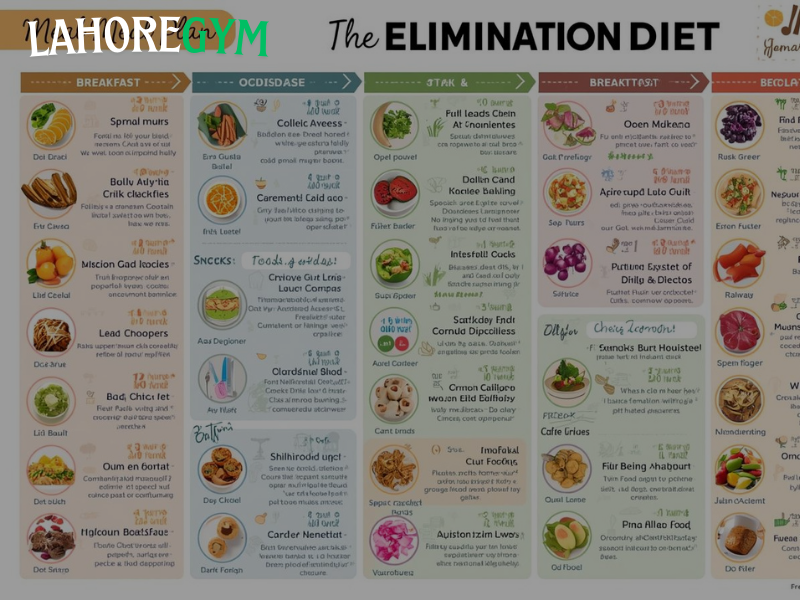
Your Week 1 Meal Plan (The “What Do I Even Eat?” Edition)
Look, I get it—staring at that food list and actually making meals are two different things. Here’s a week’s worth of ideas to get you started with your elimination diet meal plan.
Day 1: Easing Into It
- Morning: Rice porridge with sliced pears and a little honey (cozy vibes)
- Lunch: Grilled chicken with quinoa and broccoli (simple but solid)
- Dinner: Baked salmon, sweet potatoes, and spinach (fancy but easy)
- Snack: Rice cakes with mashed avocado (surprisingly good!)
Day 2: Keeping It Interesting
- Morning: Spinach-banana smoothie with rice milk and sunflower seed butter
- Lunch: Turkey with brown rice and a big salad (olive oil and lemon for dressing)
- Dinner: Grilled lamb chops, zucchini noodles, and roasted carrots
- Snack: Baked kale chips (they’re actually addictive)
Day 3: Mixing It Up
- Morning: Buckwheat porridge with blueberries and almonds
- Lunch: Fish tacos in lettuce wraps with shredded cabbage (no shame in the lettuce wrap game)
- Dinner: Ground turkey stir-fry with bok choy and brown rice
- Snack: Apple slices with sunflower seed butter
Day 4: Comfort Food Territory
- Morning: Sweet potato hash with ground turkey (breakfast of champions)
- Lunch: Chicken soup with rice noodles (perfect for any day)
- Dinner: Baked cod with quinoa and Brussels sprouts
- Snack: Banana and pumpkin seeds
Day 5: Staying Strong
- Morning: Coconut rice pudding with berries (feels like dessert)
- Lunch: Lamb meatballs with cauliflower rice and cucumber salad
- Dinner: Grilled chicken thighs with millet and green beans
- Snack: Carrot sticks with olive oil and sea salt (fancier than it sounds)
Day 6: Almost There!
- Morning: Berry smoothie bowl with rice milk and hemp seeds
- Lunch: Turkey burger (ditch the bun) with sweet potato fries
- Dinner: Pan-seared salmon with wild rice and asparagus
- Snack: Sliced pears with sunflower seed butter
Day 7: You Made It Through Week One!
- Morning: Quinoa breakfast bowl with cinnamon and pears
- Lunch: Chicken and veggie stir-fry with rice noodles
- Dinner: Grilled lamb with roasted veggies and arugula
- Snack: Rice cakes with avocado and cucumber
More Snack Ideas (Because Snacks Are Life):
- Fruit with compliant nut or seed butter
- Veggie sticks with olive tapenade
- DIY trail mix with allowed nuts and dried fruit
- Roasted chickpeas (if your stomach can handle legumes)
- Rice crackers with avocado
When Things Don’t Go According to Plan
Sometimes you follow all the rules and you’re still not getting clear answers. Here’s what to try next.
The FODMAP Situation
If you’re STILL dealing with bloating and digestive drama after eliminating the usual suspects, you might need to look at FODMAPs. These are basically types of carbs that can ferment in your gut and cause chaos.
High-FODMAP foods include things like onions, garlic, beans, broccoli, and cauliflower. I know—some of those are on the “good” list. Bodies are weird and complicated, what can I say?
The Nightshade Mystery
Nightshade veggies—tomatoes, potatoes, eggplants, and peppers—are totally fine for most people. But if you’re exploring an elimination diet for inflammation and still not seeing changes, these might be worth investigating.
Some people just react to the compounds in nightshades. If you’ve tried everything else, consider cutting these out temporarily too. Remember to test them properly during the reintroduction phase!
The “Feeling Worse Before Better” Thing
Fair warning: the first week or so can be rough. You might get headaches, feel extra tired, or just generally feel off. It’s like your body’s adjusting to the new situation.
This usually clears up within the first couple weeks. If it doesn’t, or if things get significantly worse, definitely chat with a nutrition pro to make sure you’re on the right track.
Real Talk: Tips That Actually Help
Journal Like Your Results Depend On It (Because They Do)
Your food journal is literally your best friend during this process. Track:
- What you ate and when
- How you’re feeling physically
- Your energy levels throughout the day
- Mood stuff (important!)
- Sleep quality
- Any weird symptoms or changes
- Even stress and exercise can be relevant
Use an app, use voice memos, use old-school pen and paper—whatever works for you. Just do it consistently.
Eating Out Without Losing Your Mind
Yes, you can still have a social life during this! Here’s how:
- Look up menus online before you go (game changer)
- Pick restaurants with simple cooking methods
- Be upfront with your server about what you need
- Grilled protein + steamed veggies = your new best friend
- Ask questions about how things are prepared
- Call ahead if you’re nervous about options
It’s temporary, and most places are super accommodating once you explain what’s up.
Doing This Without Going Broke
Good news: this doesn’t have to be expensive!
- Buy in bulk: Rice, quinoa, and other grains are way cheaper this way
- Frozen is your friend: Frozen veggies and berries are nutritious AND budget-friendly
- Shop what’s in season: Cheaper and tastier
- Meal plan like a boss: Reduces waste and impulse buys
- Batch cook: Make big portions and freeze extras
- Chicken thighs > chicken breasts: For your wallet, at least
- Grow your own herbs: Way cheaper than buying fresh every week
Set Yourself Up for Success
Prep work = easier life:
- Cook proteins in bulk at the start of the week
- Pre-chop veggies (future you will be grateful)
- Keep your pantry stocked with basics
- Prep overnight stuff for busy mornings
- Pack snacks when you leave the house
- Keep recipes simple (now’s not the time to get fancy)
What You’ll Learn About Yourself
So here’s the thing about elimination diet weight loss—some people do lose weight during this process, but that’s really more of a side effect than the main event. The real treasure is figuring out which foods work for YOUR body.
What you learn here becomes your personalized nutrition roadmap. Instead of following whatever diet is trending on Instagram, you’ll have actual data about what makes you feel amazing and what makes you feel like garbage.
Why You Should Consider Getting a Pro Involved
Look, this guide gives you tons of info, but working with a Registered Dietitian is like having a personal guide through the whole process. They can:
- Create a plan that’s actually tailored to YOU
- Make sure you’re still getting all the nutrients you need
- Help you make sense of what you’re discovering
- Guide you through the tricky parts
- Help you figure out what to do long-term
- Keep you accountable and motivated
It’s worth the investment if you can swing it.
Ready to Start?
If you’re thinking about giving this a shot, here’s your starter checklist:
- Make sure the timing’s right: Don’t start right before a vacation or during a crazy busy period
- Pick your start date: Choose when you can really commit to this
- Clean out your kitchen: Remove temptation and stock up on good stuff
- Set up your tracking system: Figure out how you’ll journal
- Maybe find a pro: Look into RDs who can help guide you
- Tell your people: Let friends and family know what you’re doing so they can support you
Remember, this is an experiment—not a forever lifestyle. You’re just gathering information to make smarter choices about what you eat going forward.
Ready to become your own nutrition detective? With a little patience and commitment (and okay, maybe some professional backup), you can figure out exactly which foods are your friends and which ones are… not so much.
This content is for informational and lifestyle purposes only.